In March 2019 we published a case study with a slightly shameless title: Your Falling School Roll — The Sure Fire Fix.
It documented, step by step, a campaign we'd run for a one-form-entry primary school in Lambeth. The school was excellent and nearly invisible: 22 children in a Reception class built for 30, then 26 the year after. We researched what made local parents choose a school, rebuilt the pages of the website that mattered, set up an online booking system for school tours, and put roughly £1,000 of carefully targeted advertising in front of local parents.
Applications went from 53 to 97 — an 83% increase — and the class was full in a single admissions cycle.
Seven years, a pandemic and a rebrand later, we're still running that system — for the school in the case study, for its neighbouring partner school, and for other schools in South London and beyond. This post is the honest debrief: what still works exactly as we published it, what broke, and what we'd add if we were writing that case study today.
The problem got worse. Considerably.
In 2019 a falling roll felt like a problem for some schools. In 2026 it's the weather.
The Department for Education's national pupil projections show primary pupil numbers falling by around 5% — roughly 185,000 children — between 2025 and 2028, with further falls beyond that (NFER's analysis is a readable summary of what that means for school finances). In inner London, London Councils forecasts demand for Reception places falling a further 6.4% over the next four years — and reports that falling numbers have already led to approximately 90 school closures or mergers across the capital in the last five years.
Every one of those empty chairs is per-pupil funding a school doesn't receive — at least £5,115 per primary pupil in 2026–27 — not once, but every year that child would have been on the roll.
Here's the uncomfortable arithmetic underneath it: when there are fewer children than places, somebody's class doesn't fill. The schools that stay full are not always the best schools — they're the ones local families know, visit and apply to. Marketing doesn't decide whether your school is good. It decides whether parents find out.
What still works, exactly as published
The core of the 2019 case study has not aged a day, and we'd defend every step of it:
Research before spending. The school's staff assumed parents chose on Ofsted. Our research said parents chose on word of mouth, the feel of the school, and practicalities like wraparound care — and that many local parents simply didn't know the school existed. Every pound we spent afterwards worked because of what we learned first.
The website pages parents actually need. A persuasive admissions page, real answers about breakfast and after-school clubs, and a step-by-step "how to apply in this borough" guide that no other local school had. Those pages did quiet, compounding work then and they still do now.
Visits as the goal of everything. The single biggest lesson of the original campaign: when parents visit this school, a good share of them choose it. So the entire system points at one action — book a visit. Everything else is transport.
Small, targeted ad spend. About £1,000, aimed only at parents of the right-age children within a couple of miles. Not a national campaign; a neighbourhood one. That principle — narrow and cheap beats broad and expensive — has survived every change the ad platforms have thrown at it.
Access your free Fix Your Falling Roll Checklist today!
Get the entire strategy we used to double this school's admissions in an easy to follow step-by-step checklist.
What Covid broke — and what it gave us
Then March 2020 arrived, school gates closed to visitors, and the engine room of the whole system — the school tour — became impossible overnight.
We scrambled, like everyone. Just as the whole country was getting used to Zoom, so were we: we ran one-to-one appointments with prospective parents by video call, and even Zoom open evenings — the head presenting the school to a gallery of muted rectangles. They were better than nothing, and at the time nothing was the alternative. But we'll be honest about what we learned: nothing beats being in the building. A screen can carry information; it can't carry the feel of a school — the noise of a corridor at break, the warmth of the staff, the thing that actually makes a parent choose.
One thing we tried, though, earned a permanent place in how we work: we started creating 3D virtual tours of schools, using the same technology estate agents use to walk buyers through houses. Unlike a video call, a 3D tour lets parents explore on their own terms — wander the corridors from their sofa, look into the classrooms, see the children's artwork on the walls, the reading corners, the lunch hall.
We assumed those were a stopgap too. We were wrong. When real visits came back, families kept using the virtual ones: working parents looking around properly at nine in the evening, relocating families choosing from another city, parents taking a second walk with their child while they filled in the application — and children who find new places difficult, walking their new school calmly, as many times as they needed, before ever stepping inside.
Covid also taught us something about resilience: a school with its own booking system, good photography, a film and a virtual tour could keep its admissions pipeline moving through anything. Schools relying on one open day a year had a very bad autumn.
What we'd add to the case study today
1. Run tours and open days — they do different jobs. In 2019 we were evangelists for the individual bookable tour, and it remains the best conversion tool we know: personal, unhurried, easy to say yes to. But we've since learned what the traditional open evening does that a solo tour can't — social proof. Twenty families in a school hall tells every one of them that this school is in demand.
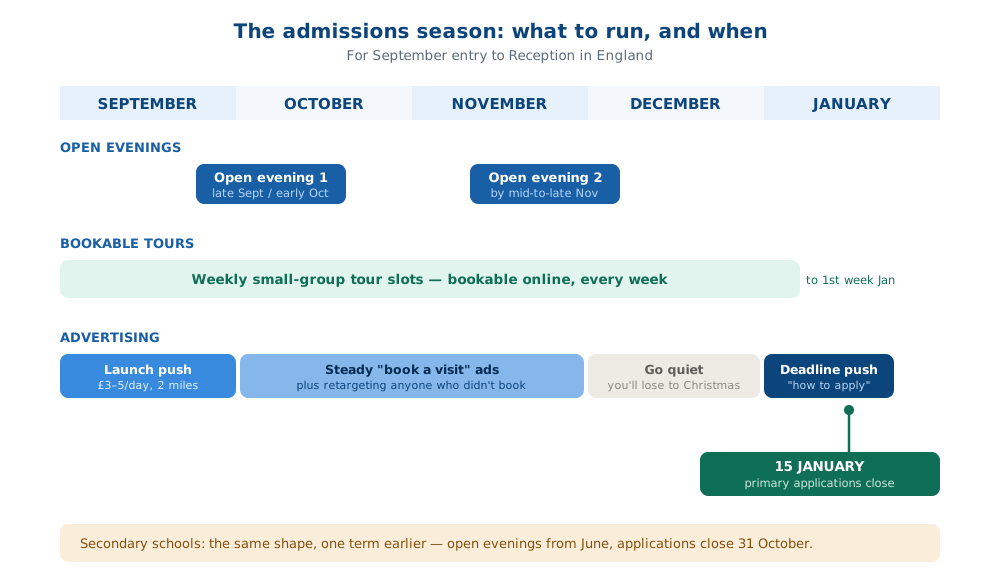
So our current model is deliberately both: weekly bookable tour slots from September to the first week of January, plus an open evening in late September or early October and, if you run a second, no later than mid-to-late November — because once Christmas takes over, you've lost the room. The tours catch families who can't make a set date; the open evenings create the buzz. Each covers the other's blind spot.
Infomercial
Infomercial
Advert
2. Video Ads. Photographs and graphics in a predominantly text based ad was how we started. Over the last decade that has changed for all advertising and whilst we still use lots of static adverts, video is now the default choice. Vertical adverts for Instagram and Facebook Reels are your primary tool for advertising your tours and open days. These can be cut down from a professional school video but often natural clips of the head teacher speaking to camera in the school playground or classroom speaking directly to parents can also work very well. As little as 15 seconds and not much more than a minute is the benchmark.
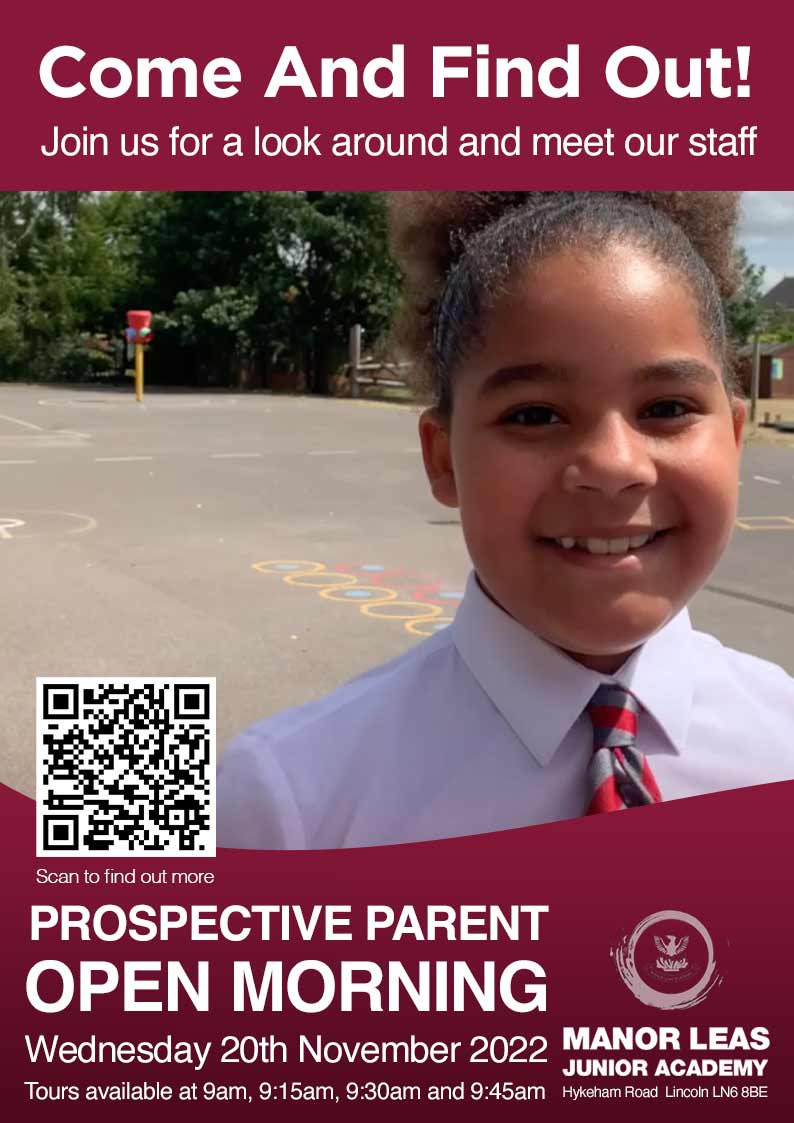
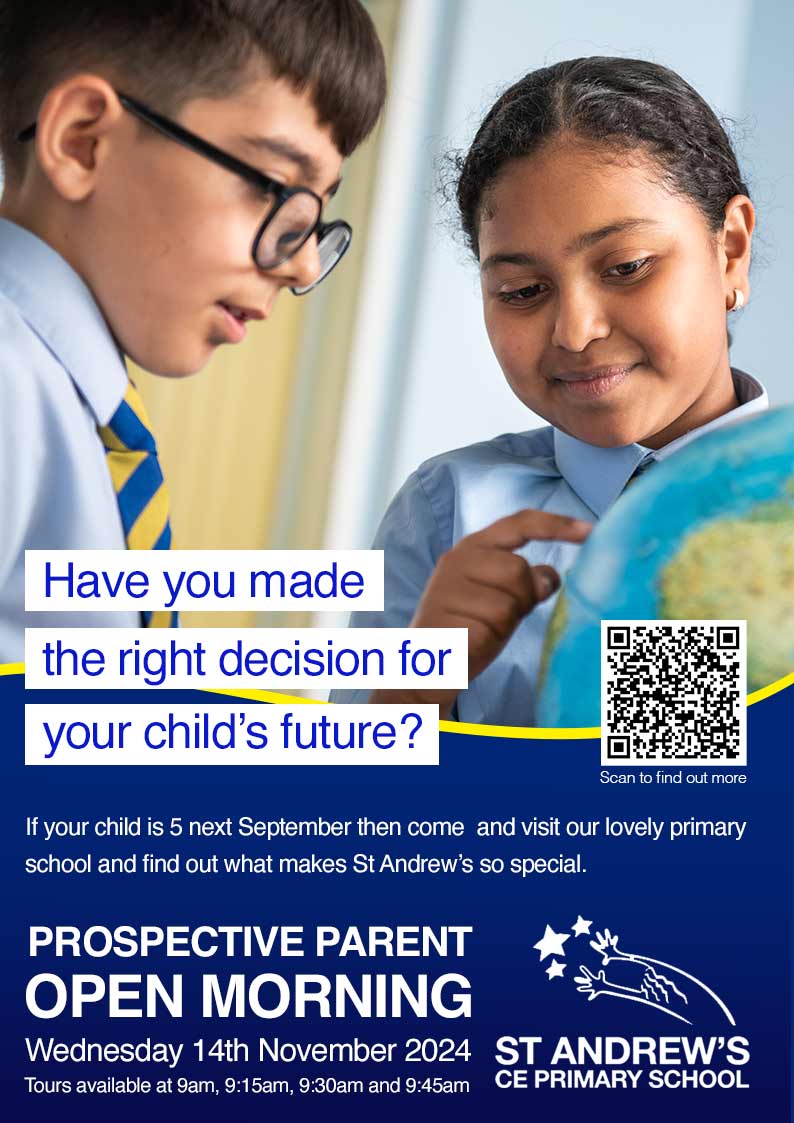
3. Posters. Yes, really. The original campaign was almost entirely digital. These days we also send schools out into the physical world with a simple A4 poster — one big photograph of happy children, the visit dates, a QR code — placed where local parents of small children actually go: nurseries, playgroups, libraries, soft play, the cafés with the buggy parking.
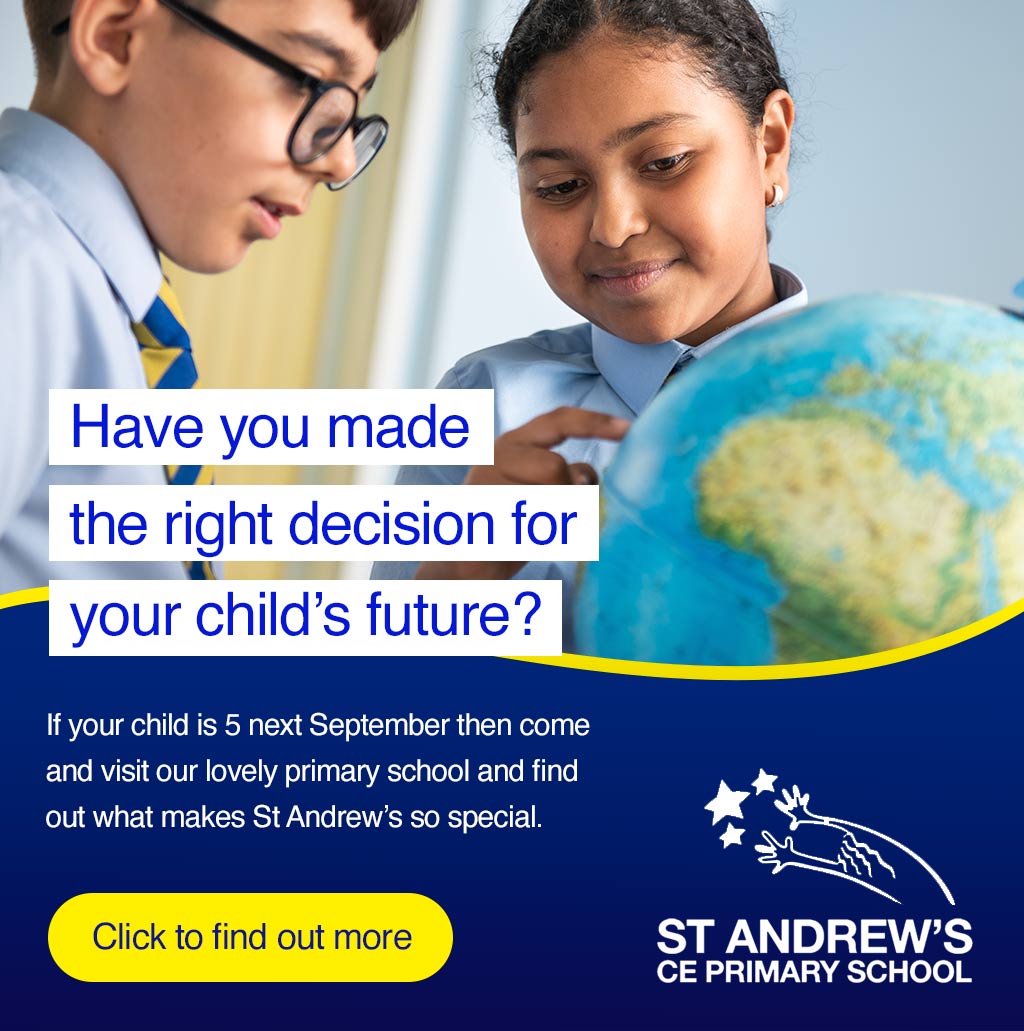
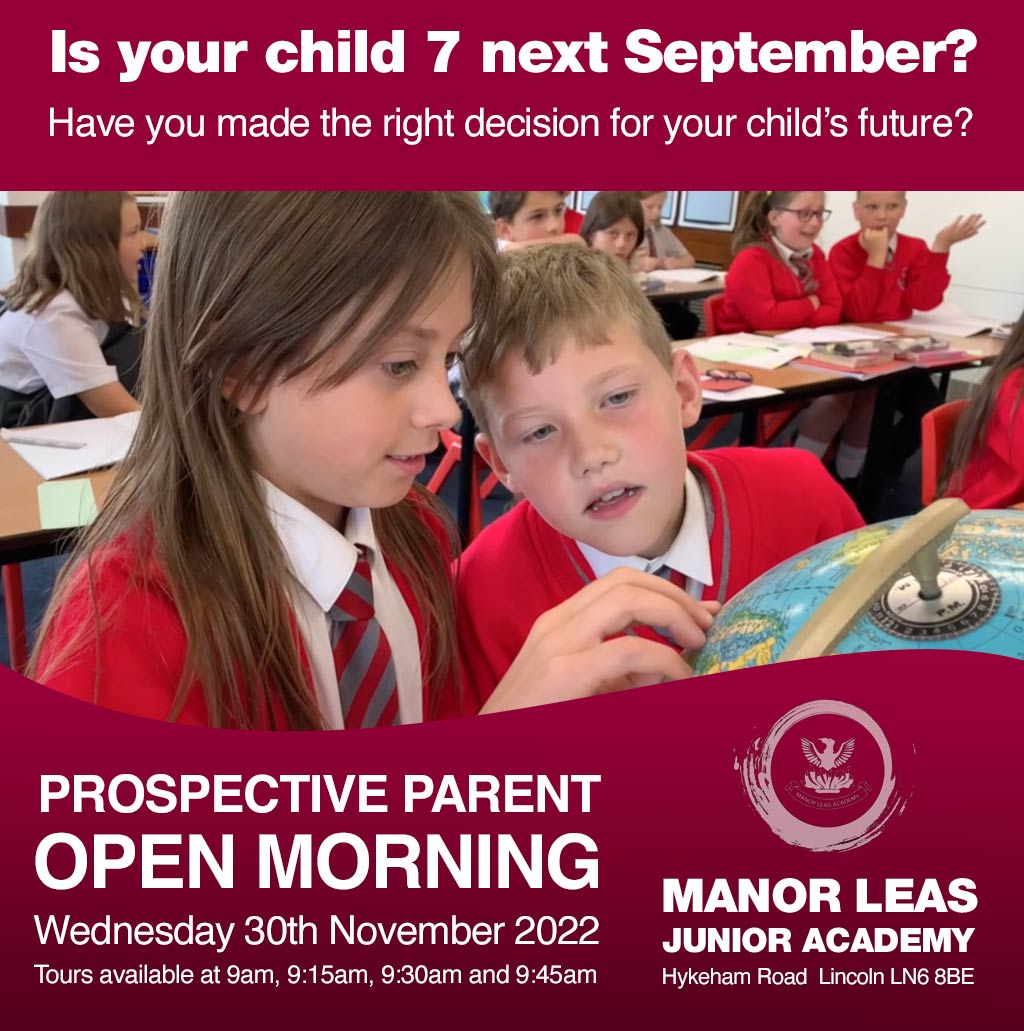
And the same artwork does double duty online. That one poster becomes the school's Facebook and Instagram post too — published on the school's own page and profile, and then dropped into every local community group that will have it: the residents' groups, the village noticeboards, the "spotted in…" groups where local parents actually scroll. One asset, designed once, working on lamp posts and in feeds at the same time.
What's made this modern rather than nostalgic is AI. We use a written prompt (Claude, ChatGPT or Gemini — any of them work) that generates a named list of every nursery, toddler group, library and community Facebook group within a school's catchment, ready to divide among staff for a week of drop-offs and a round of group posts. Ten minutes of AI, one afternoon of walking, and the school is visible in twenty places it wasn't — physical and digital. We'll publish the exact prompt in a future post.
4. Get families into the building before they're choosing at all. Some of the best marketing we've seen schools do doesn't look like marketing. One of ours runs story time for pre-school children — toddlers and their parents in the school library on a weekday afternoon, the head reading the stories. No pitch, no forms. Two years later, when those parents fill in an application, they aren't choosing a school — they're naming the one that already feels like theirs.
4. Follow up like it matters, because it does. The gap between "booked a tour" and "submitted an application" is where places quietly leak away. Confirmation emails, reminders before the visit, a thank-you after, a nudge before the January deadline. None of it is clever; all of it moves numbers.
The honest bit
Not everything has been a straight line. Covid years were hard on every school's numbers, including ours. A junior school we work with — persuading families to leave an all-through primary at Year 3 — remains the most difficult brief we've taken on, and it taught us to be honest with schools about which situations this system fixes quickly and which it grinds away at slowly.
And in the most competitive corners of London, where falling birth rates meet school closures, good marketing doesn't guarantee a full class every single year. What it does is keep a school firmly in the race — visible, visited and applied to — while less visible schools around it empty.
That's the claim we're comfortable making after seven years, and it's the one that matters.
Where this leaves you
Everything above is doable by a school. If you read the original case study and then apply the updates in the article above, you will have a complete instruction manual.
One motivating factor to overhaul your reception marketing is to understand what an empty place costs your school. And the first step in making changes is understanding what parents are actually looking at when they choose a school.
If you'd rather it were simply handled — research, pages, booking system, posters, ads, follow-up, all of it — that's now literally all we do.
Either way: start before September. The families choosing schools for next year start looking the moment this year's children go back.
Sources
Access your free Fix Your Falling Roll Checklist today!
Get the entire strategy we used to double this school's admissions in an easy to follow step-by-step checklist.
Frequently asked questions
Does the 2019 falling school roll strategy still work in 2026?
Yes — the core system (parent research, persuasive website pages, a bookable visit system, targeted local advertising) still fills classes. The main updates since: run open evenings alongside weekly tours, add a 3D virtual tour, use posters and local Facebook groups for physical visibility, and expect the competition to be sharper because pupil numbers are falling nationally.
Should a school do open days or individual tours?
Both, on purpose. Weekly bookable tour slots from September to early January remove the "can't make that date" barrier and convert brilliantly one-to-one. One or two open evenings — late September/early October, and no later than mid-November — add the social proof of a busy hall. Each does a job the other can't.
How much does school admissions marketing cost?
The campaign in our published case study spent around £1,000 on advertising in total. As a benchmark for the full service: every primary school attracts at least £5,115 per pupil in funding (2026–27), and our fee for a first-year campaign is a little more than what one extra pupil brings in — so a single additional child on the roll effectively covers it, and every place filled beyond that is return, repeated each year those children are with you. For schools that keep us on after year one, staying costs less than the funding from a single admission — we keep the system updated, the pages current and the campaign running each cycle for less than one pupil brings in.
What's a 3D virtual school tour?
A walk-through 3D model of your school (the same technology used for property viewings — Matterport is the best-known) that lets families explore classrooms and corridors from any device, any time. It doesn't replace real visits — it's one of the most effective ways of getting them booked, and it doubles as transition support for anxious children and new starters.
When should a school start marketing for September entry?
Now, whatever "now" is. Research and website work over the summer term, visits and advertising running from early September, through to the application deadline (mid-January for primary, end of October for secondary). Schools that start in November are fighting with one hand behind their back — though it's still better than not starting.
Ian Clifford is the co-founder of School Marketing Works, and has been running admissions marketing campaigns for UK schools since 2018, including the one in the original falling school roll case study.