
Quick answer: One good shoot gives you a library that feeds your website, your posters, your social media, your paid advertising, your prospectus, your press releases, your funding bids and your staff recruitment — for two or three years.
The images that work are children being ordinary, faces visible, looking at the camera. The images that don't are empty corridors, the building from the car park, and anything from a stock library. And the part most schools get wrong isn't the photography, it's the paperwork: the ICO is clear that a blanket consent form is not automatically the right answer.
One shoot, and everything it feeds
Schools tend to think of photography as something you do for a prospectus, if you even have one. But, it's actually the raw material for almost everything else you produce.
Your website. Every page of it. We've written about what a prospective parent is looking for — and, subconsciously, much of what they're deciding on is whether the children in your photographs look happy.
Your open day posters, which live or die on one big photograph of children looking at the camera. More on that here.
Paid advertising. Facebook and Instagram creative is a photograph and about six words. If the photograph is weak, nothing else in the campaign matters. The advertising post covers that.
Social media all year, without scrabbling for something to post.
Your prospectus, if you still print one.
Press and local media. When a journalist asks for a photograph at four o'clock, having a library means you say yes instead of no. Schools lose easy coverage this way constantly.
Funding bids, governors' reports, trust reporting. Dull, and they all look better with decent pictures.
And staff recruitment, which is worth its own sentence. Recruiting teachers is as hard as recruiting pupils in a lot of places, and a job advert with a warm photograph of a real classroom does more than three paragraphs about your ethos.
One shoot. Eight or nine jobs. That's the arithmetic that makes it pay.
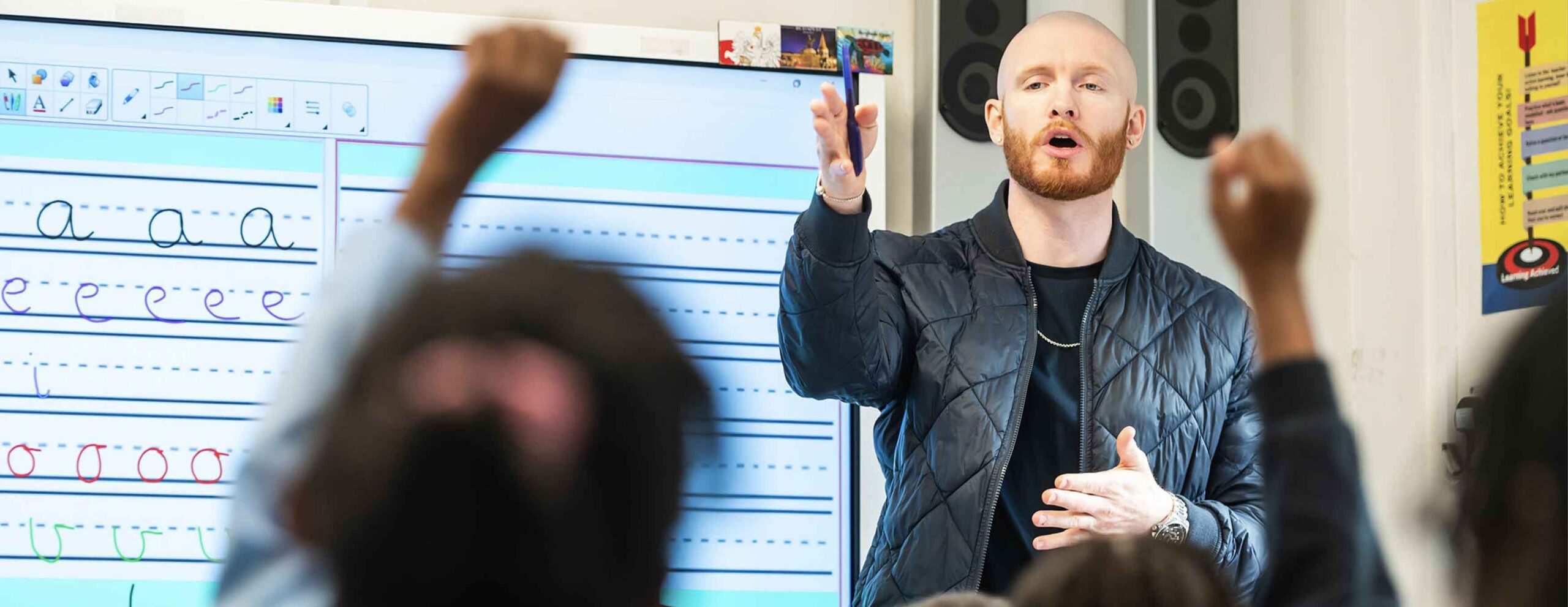
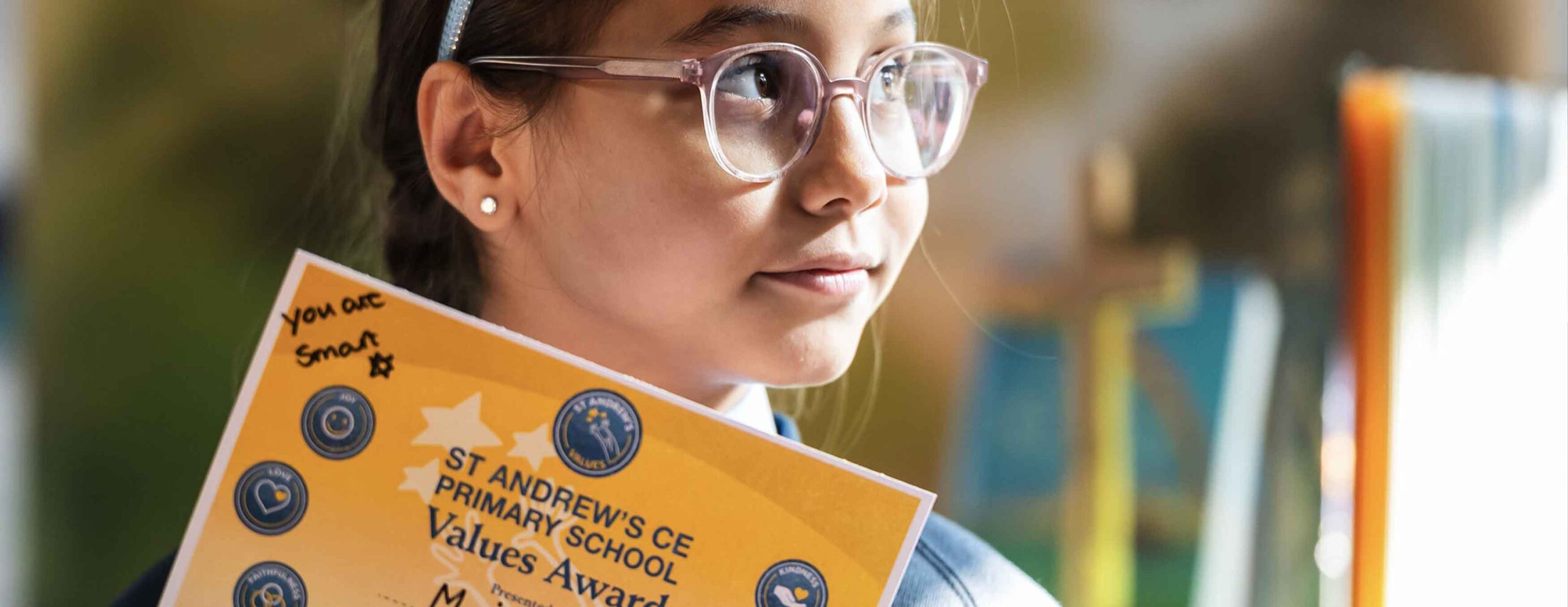
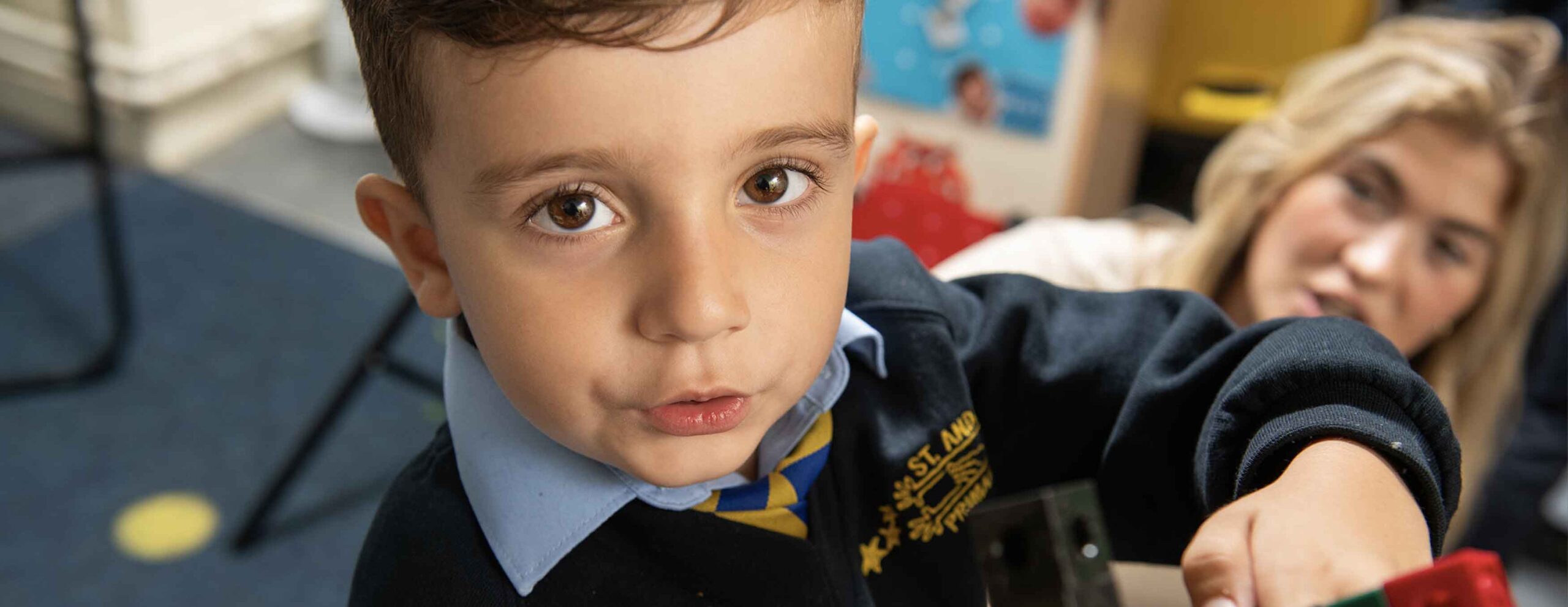
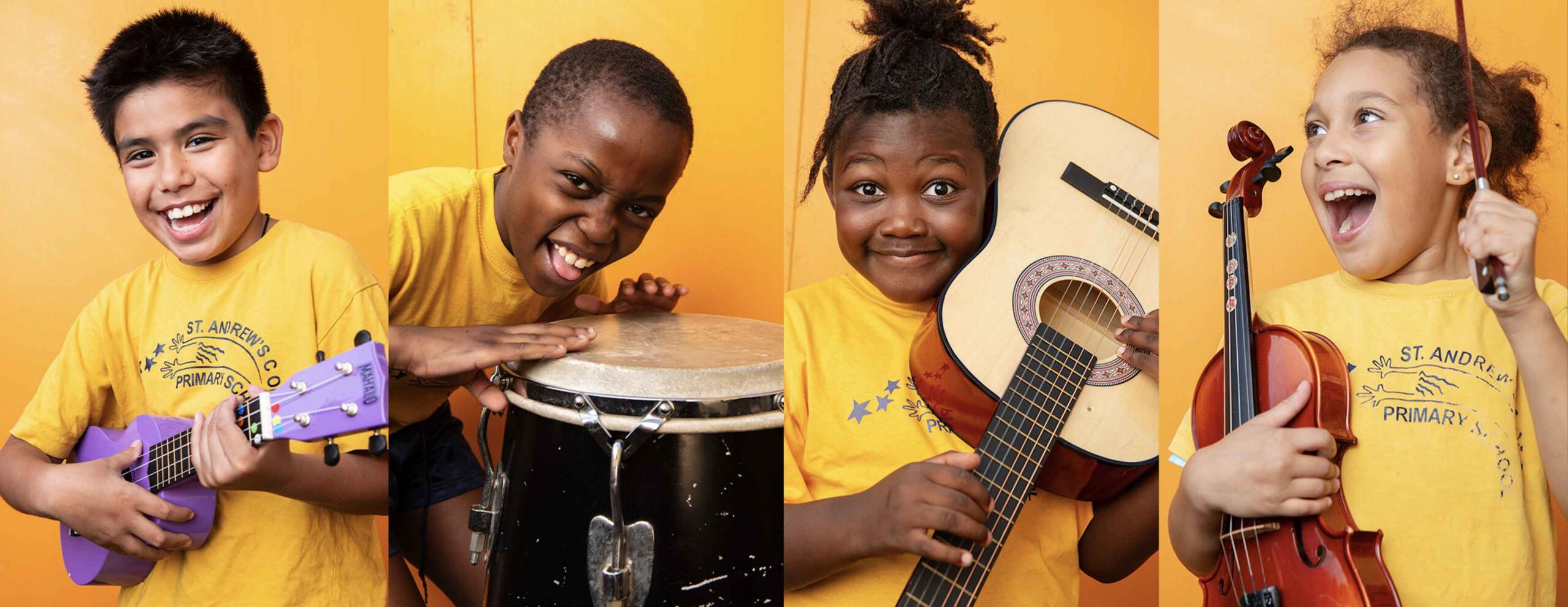
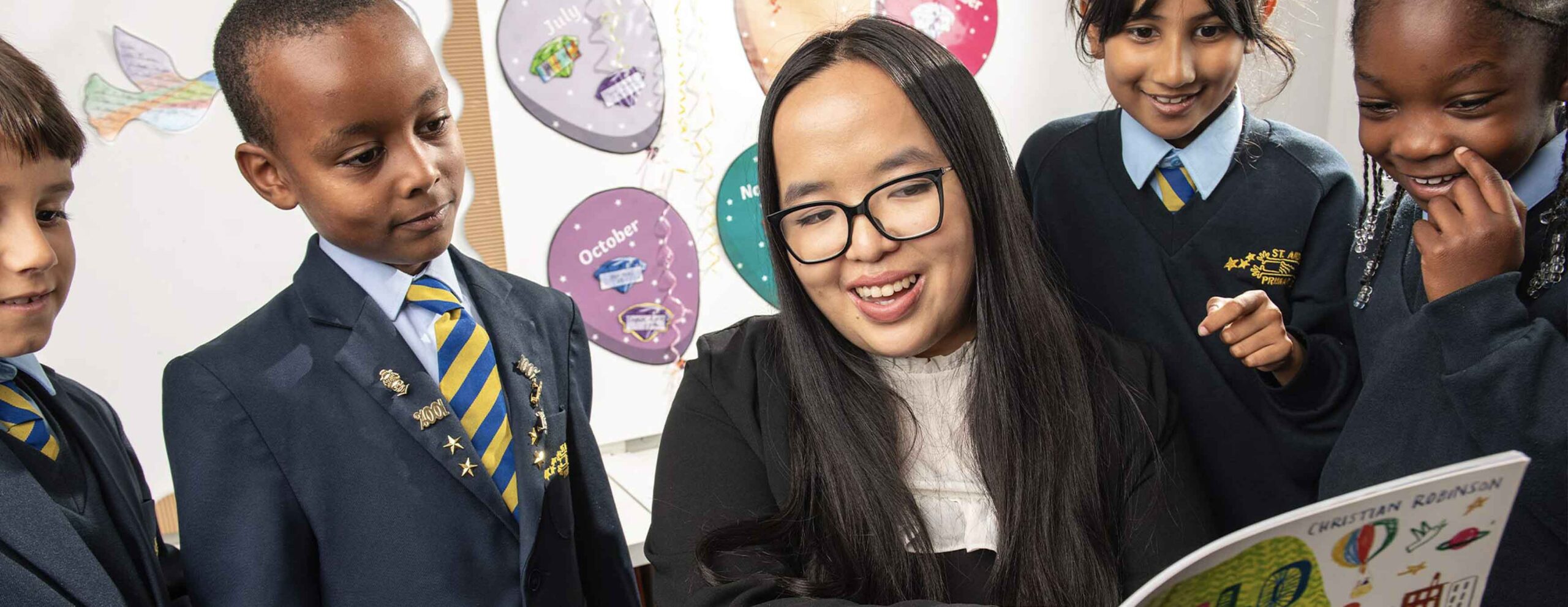
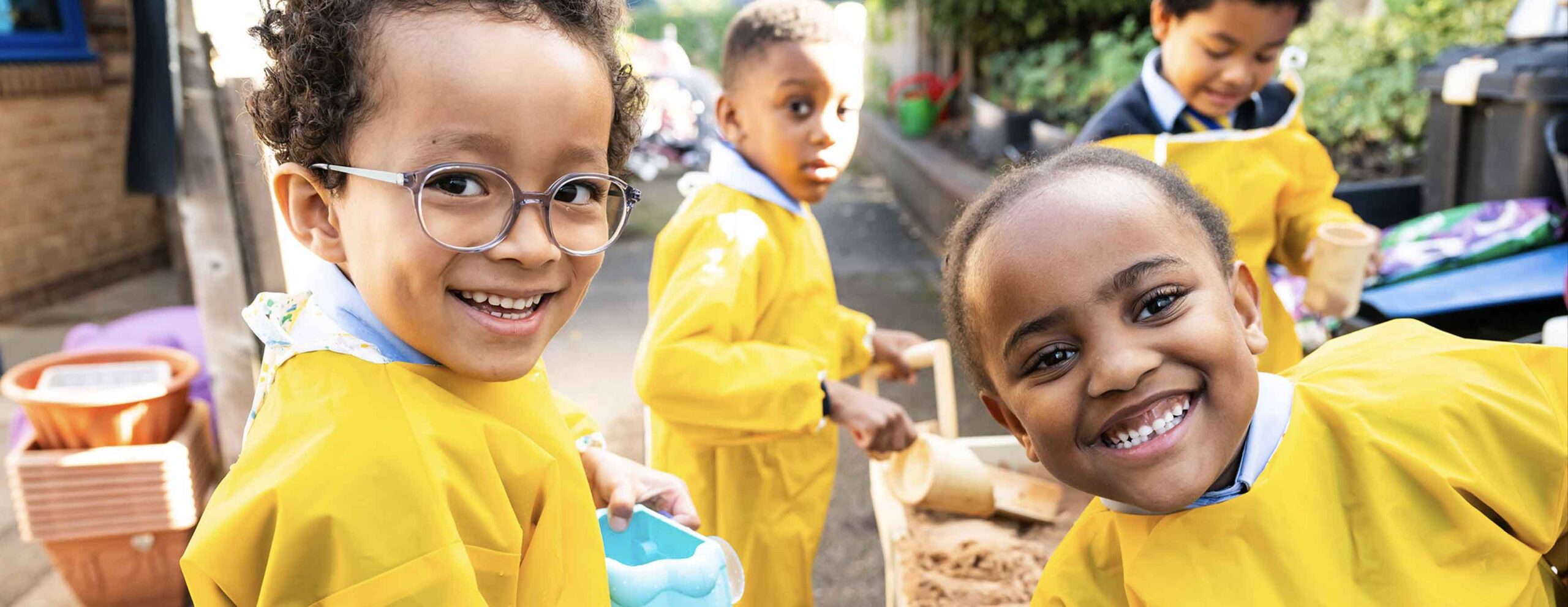
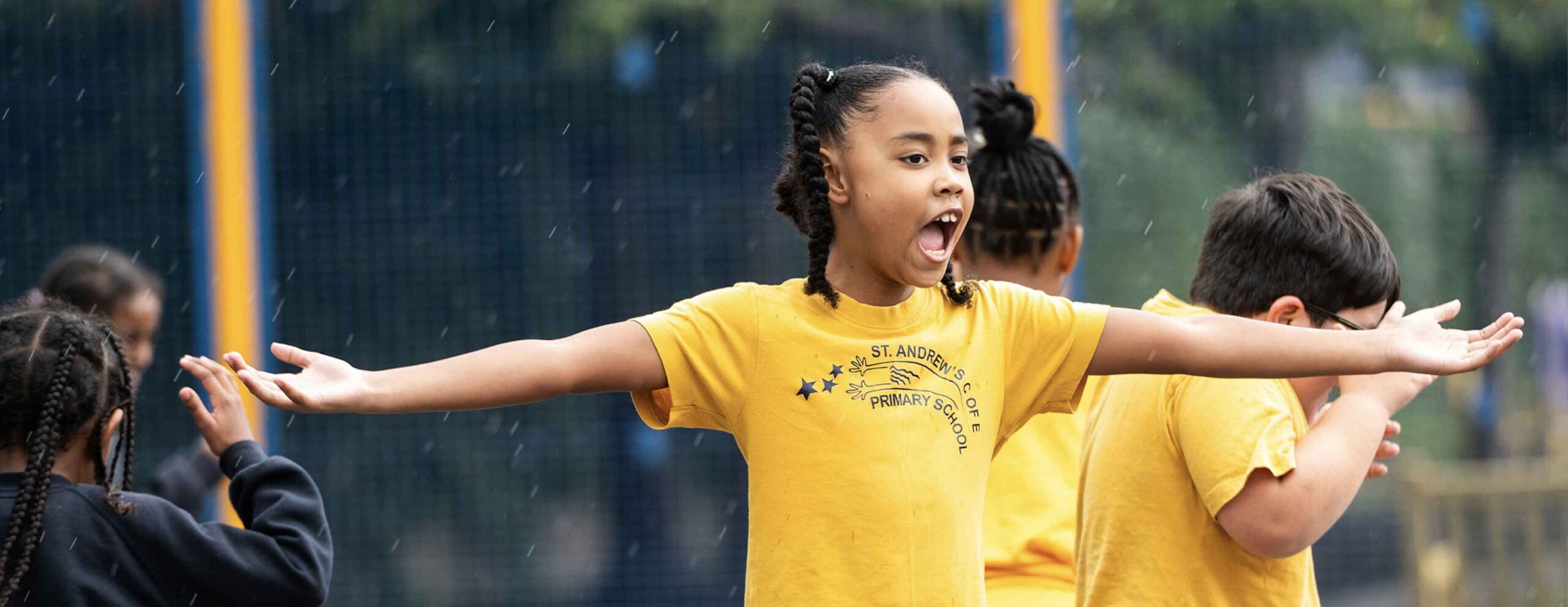
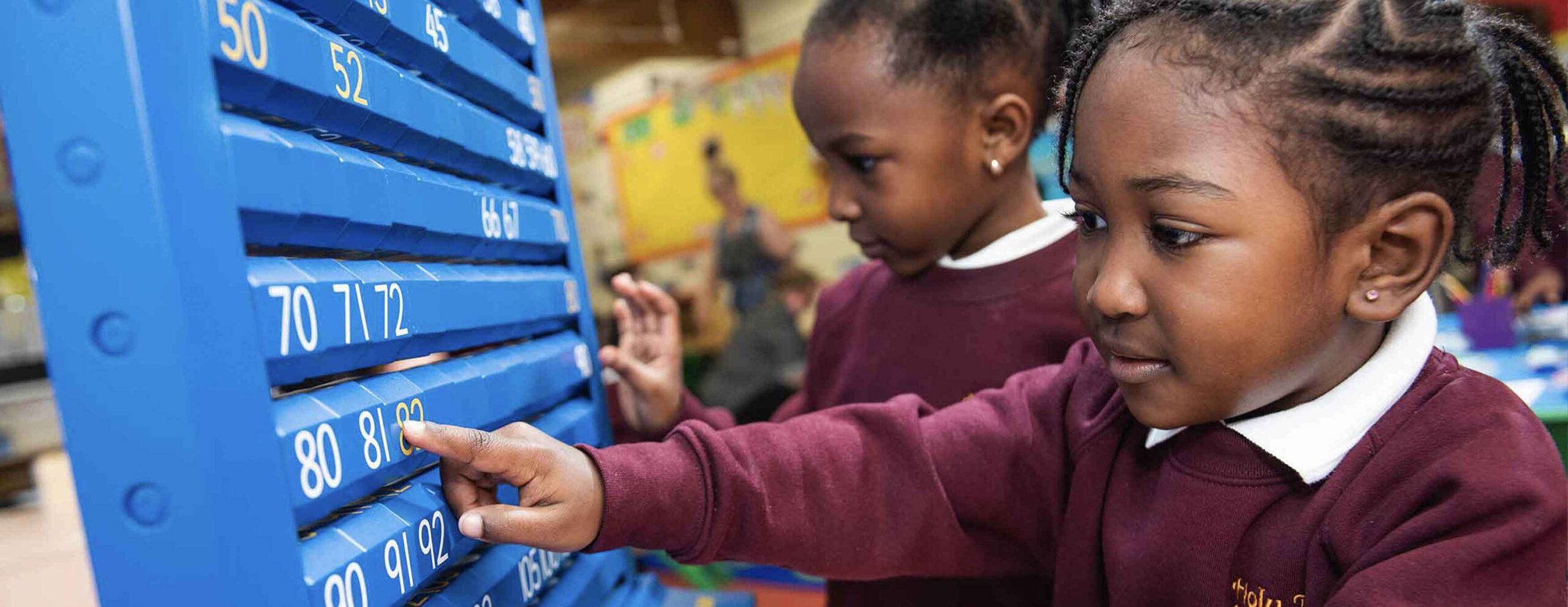
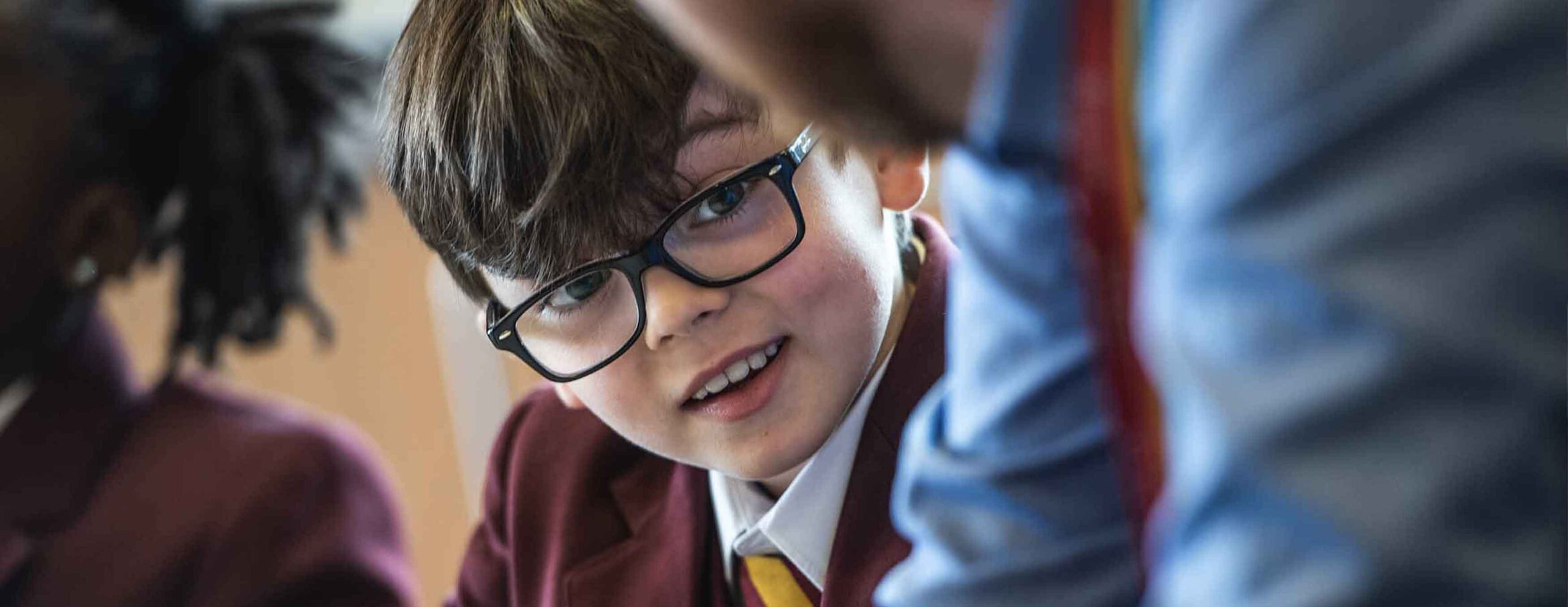

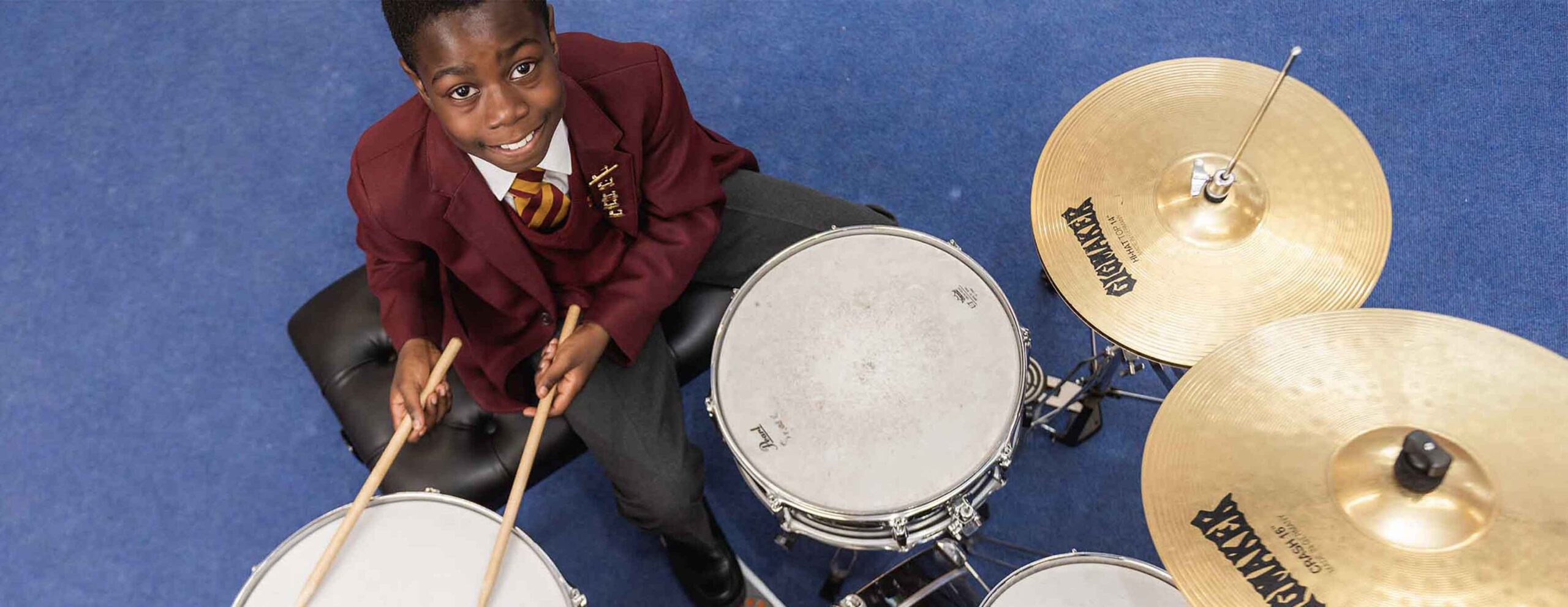
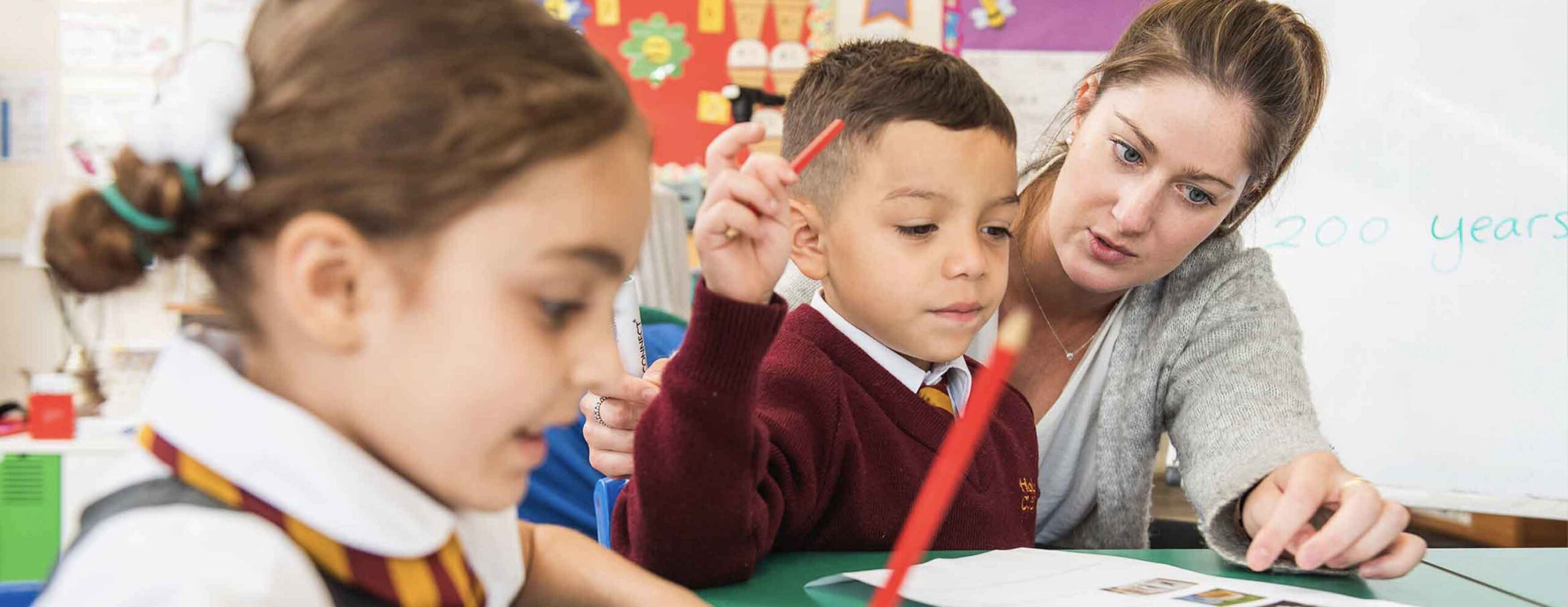
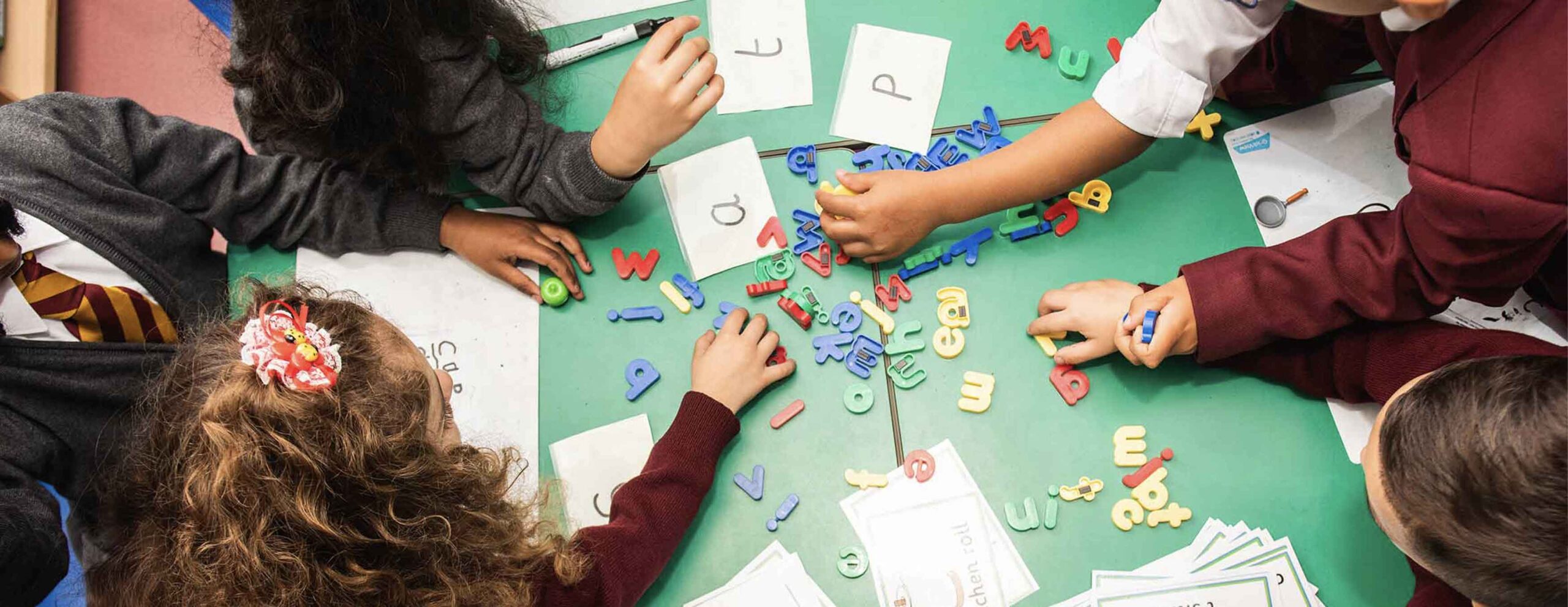
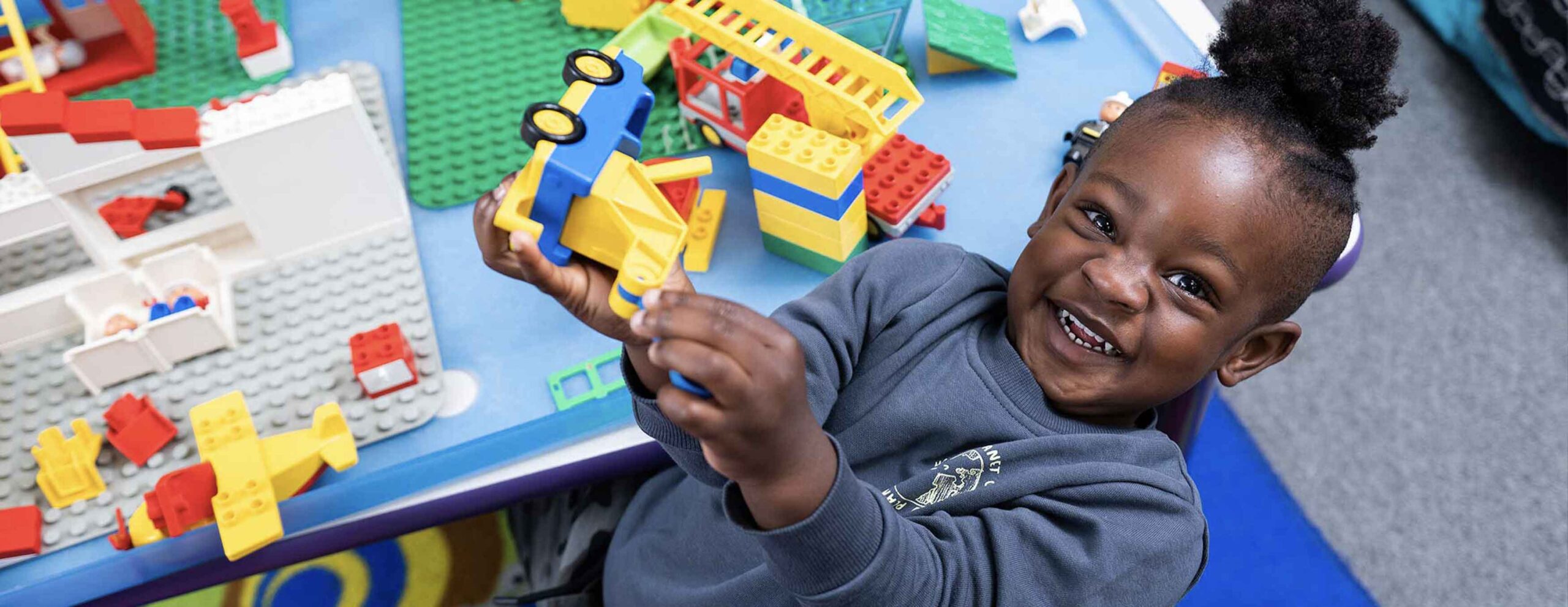
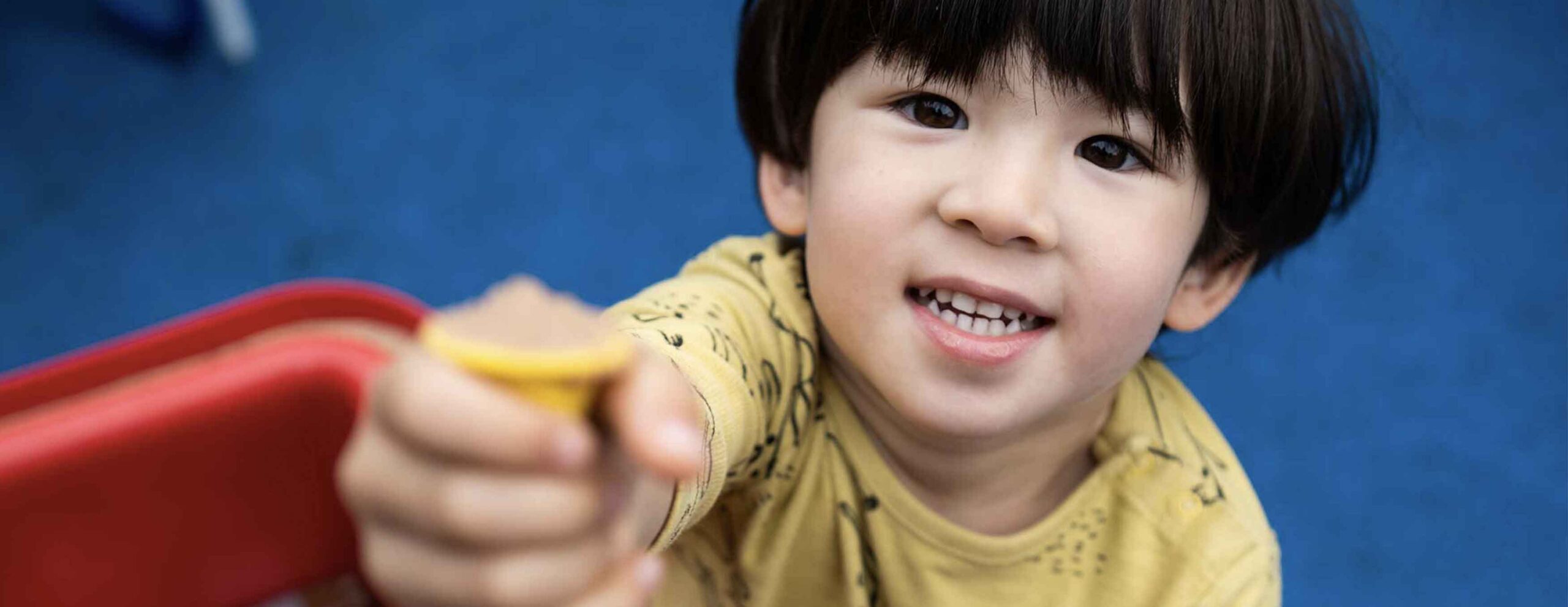
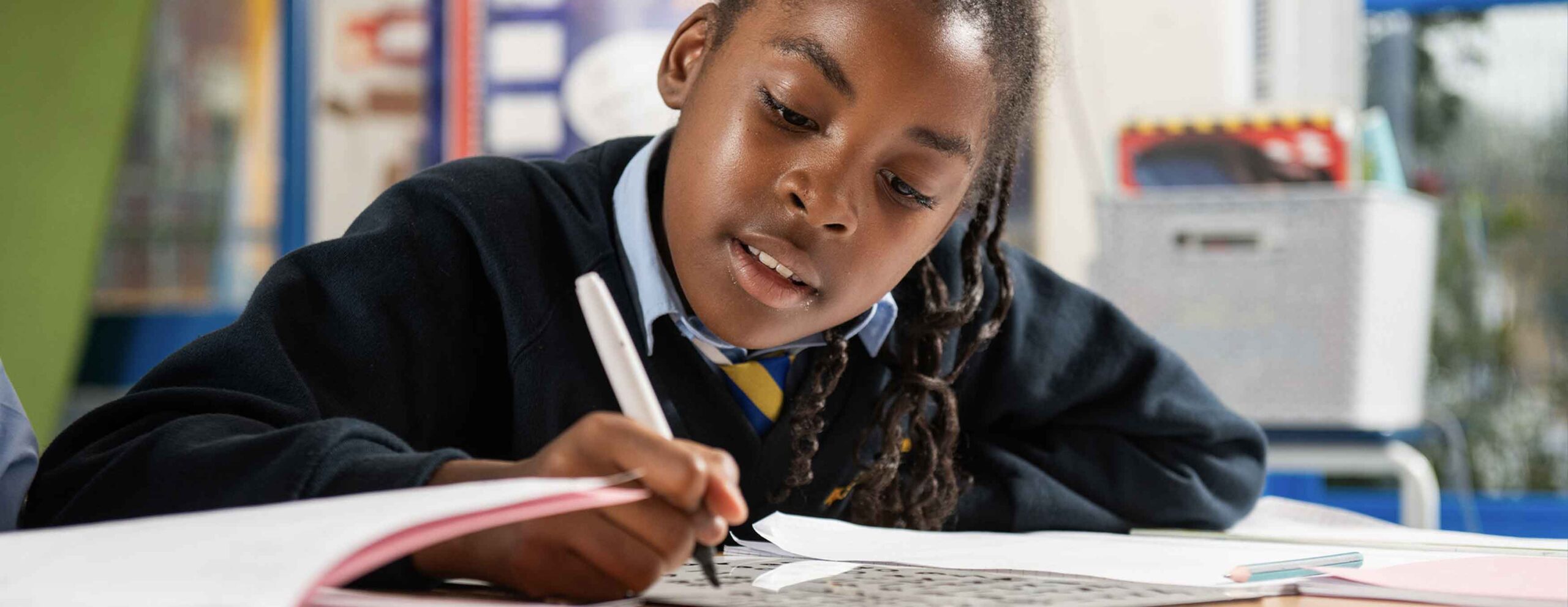
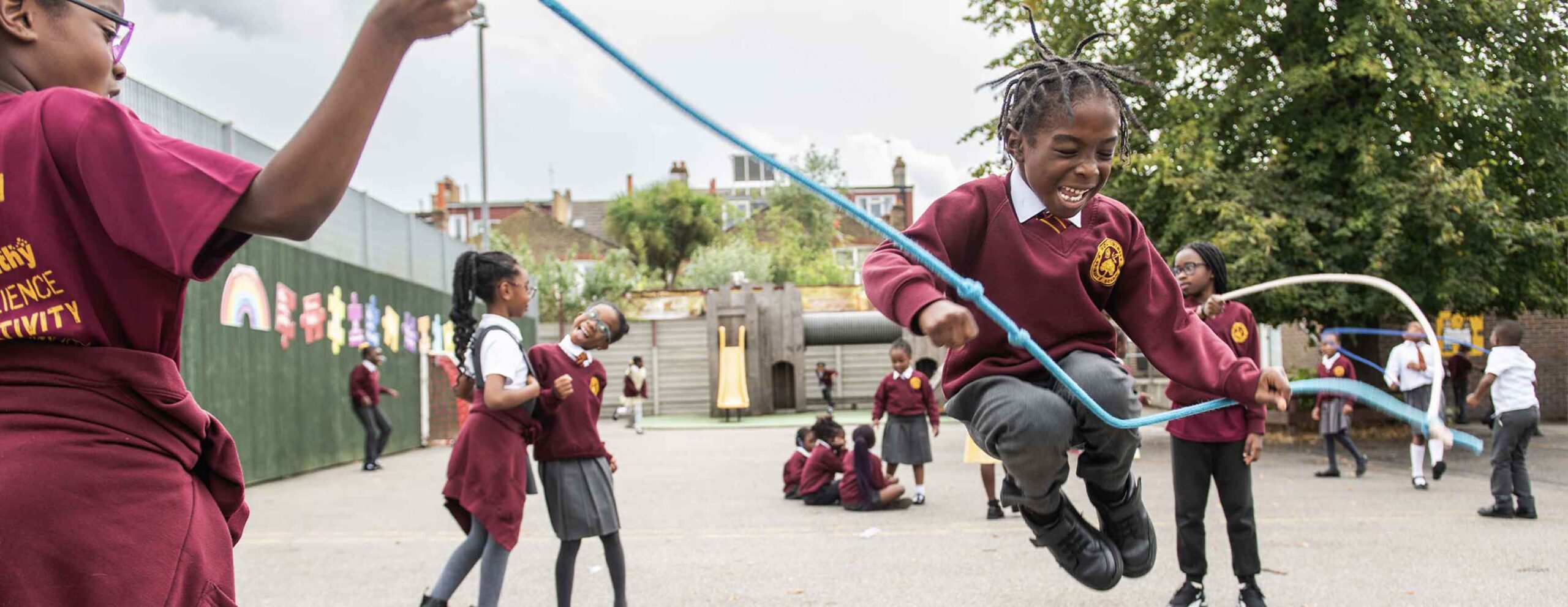


The photographs that work
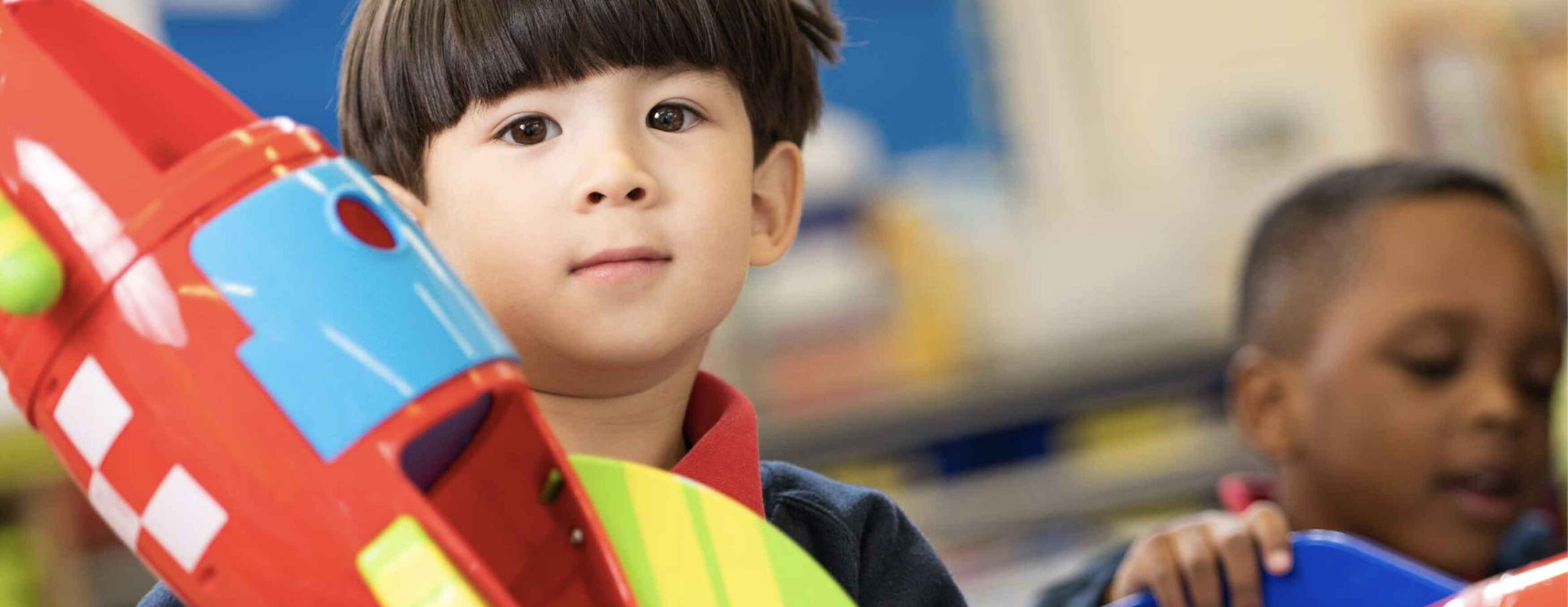
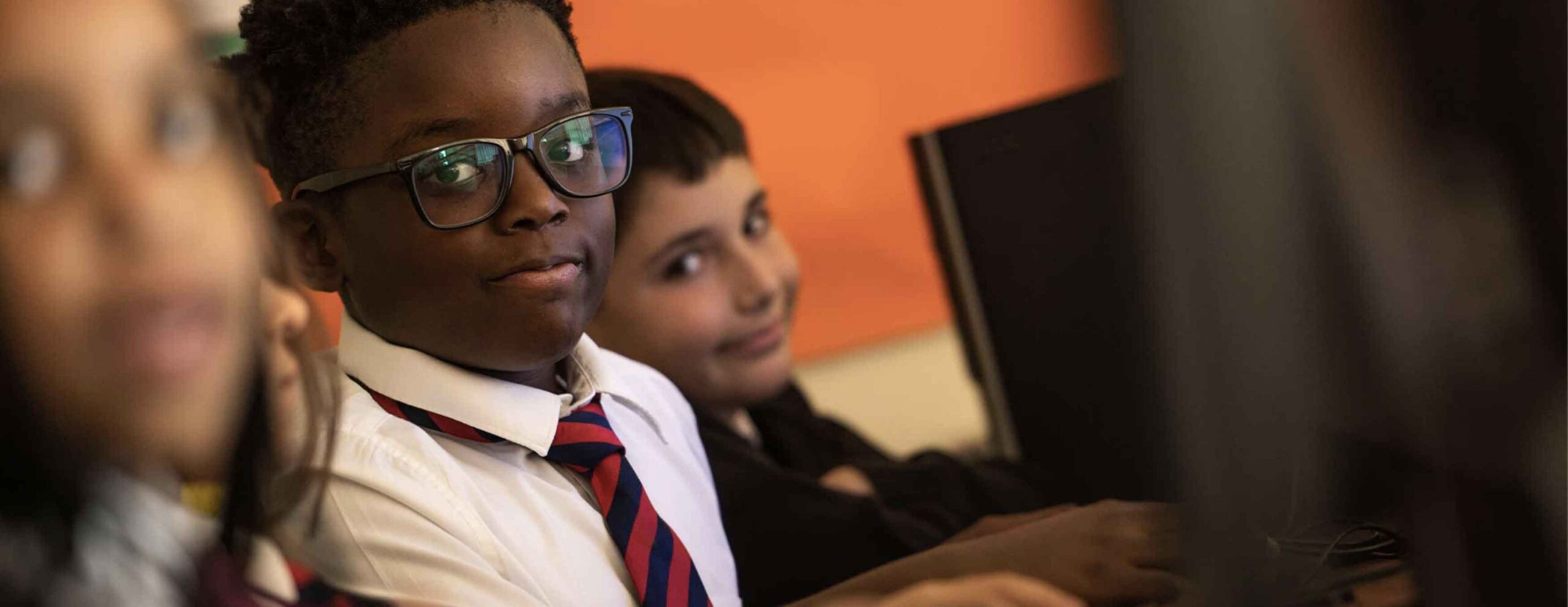
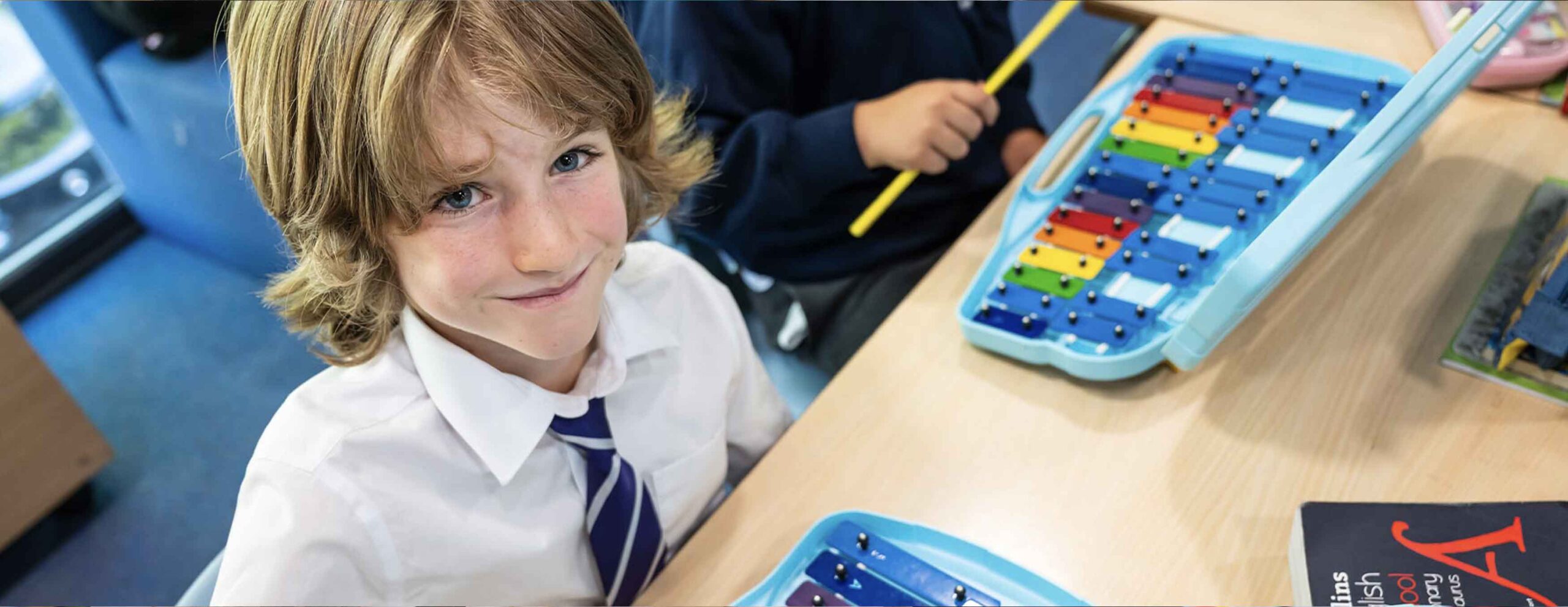
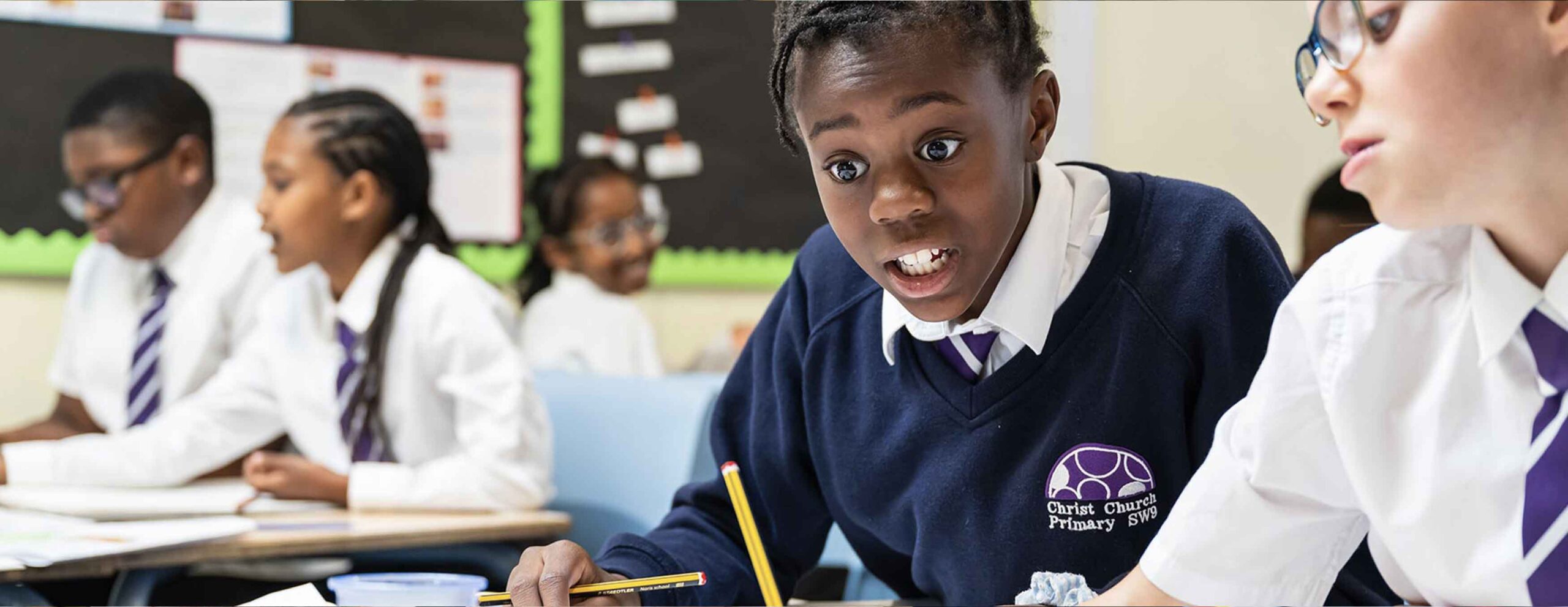
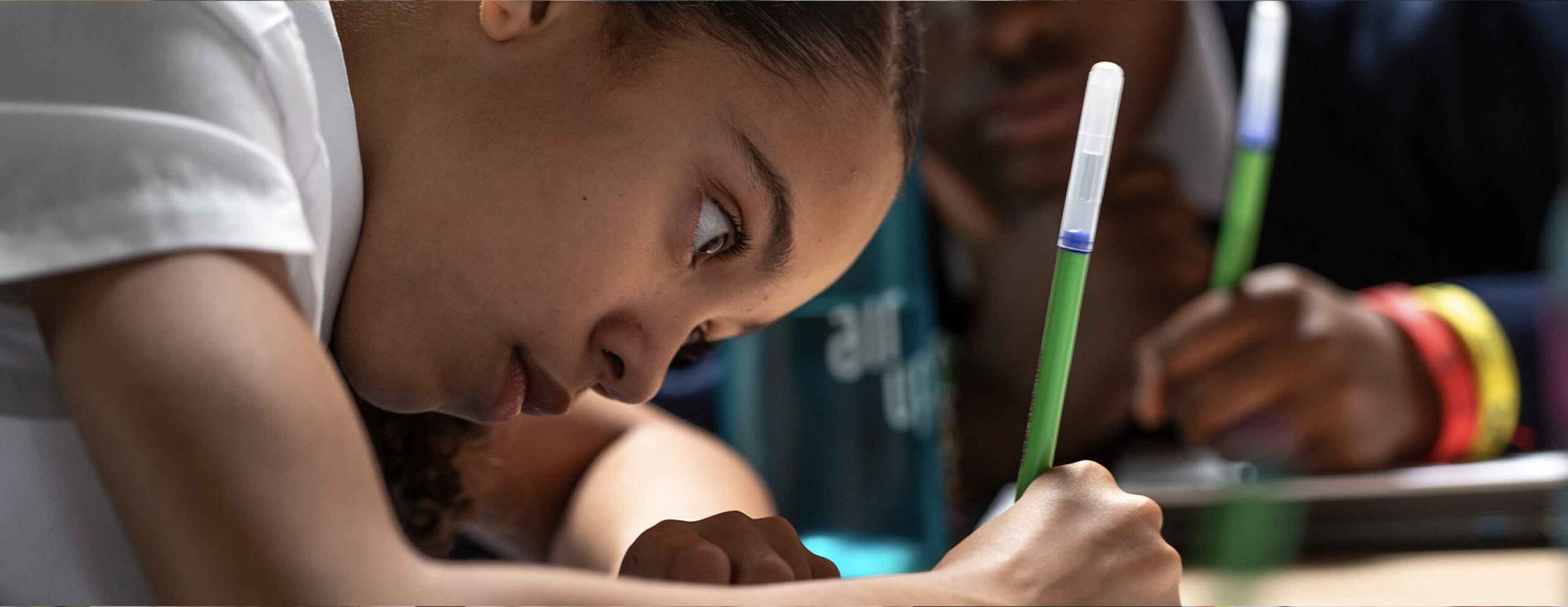
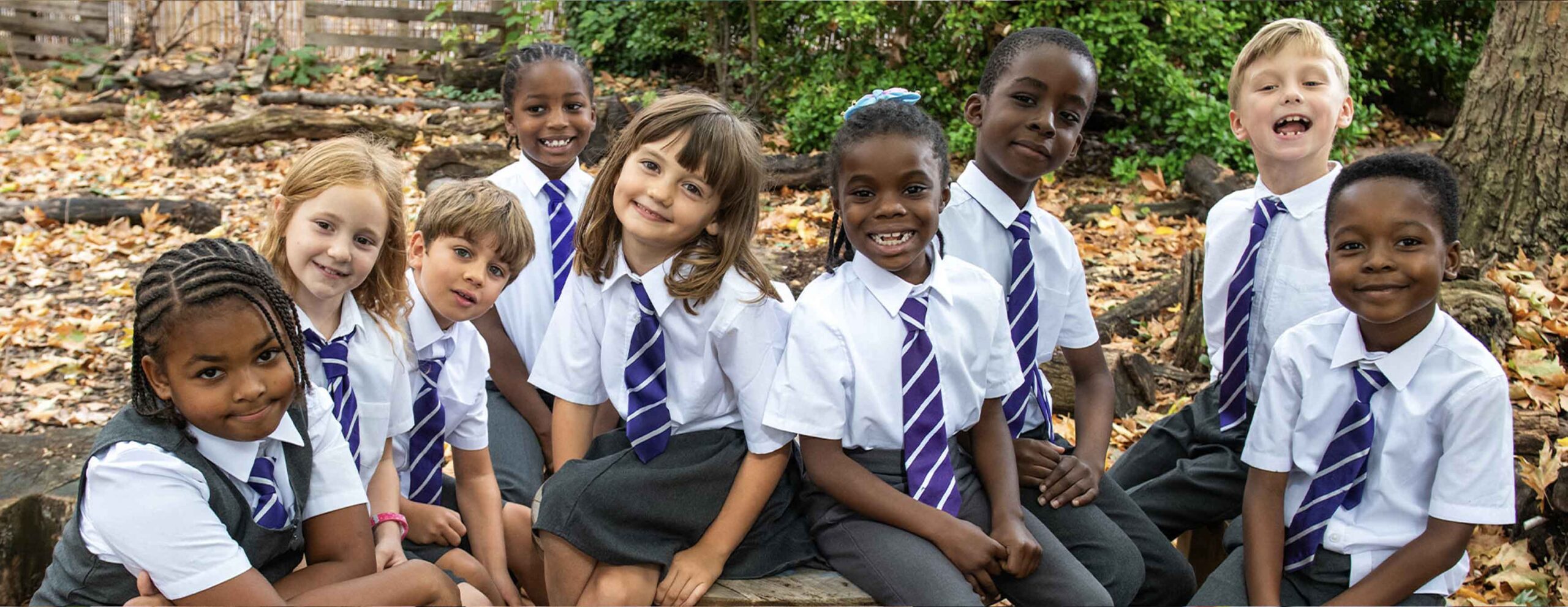
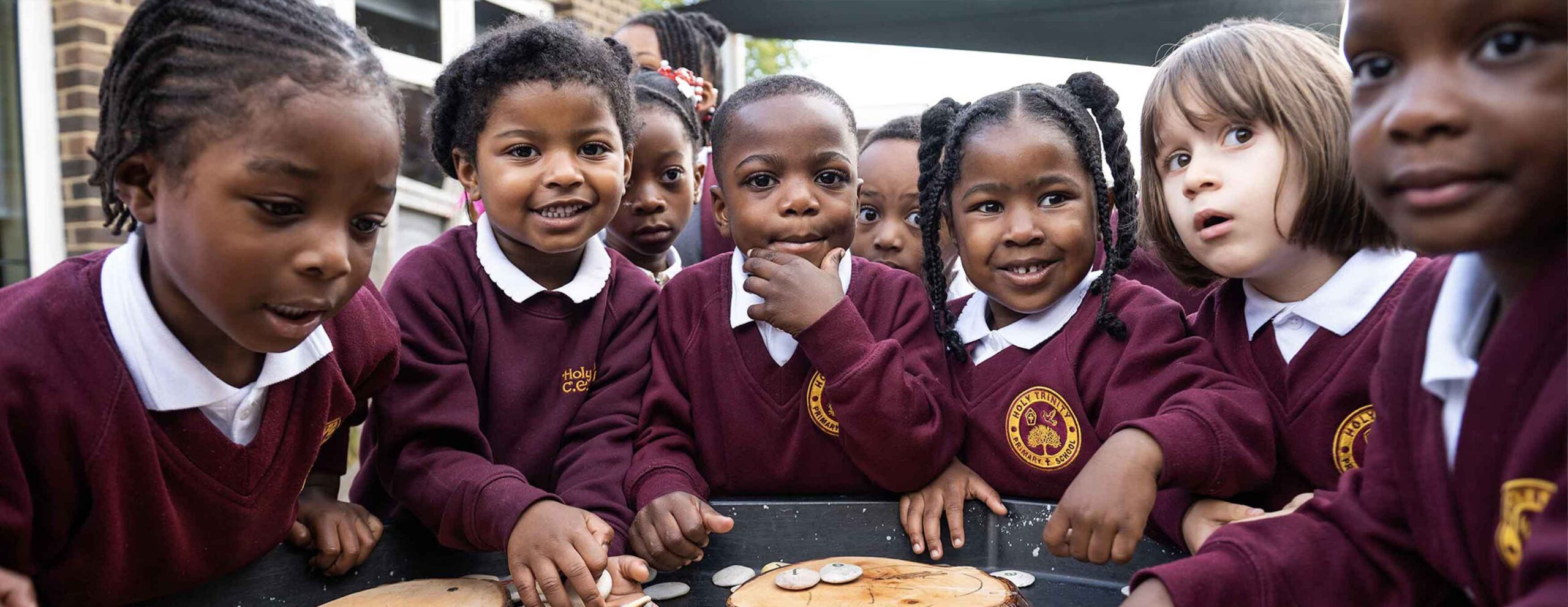
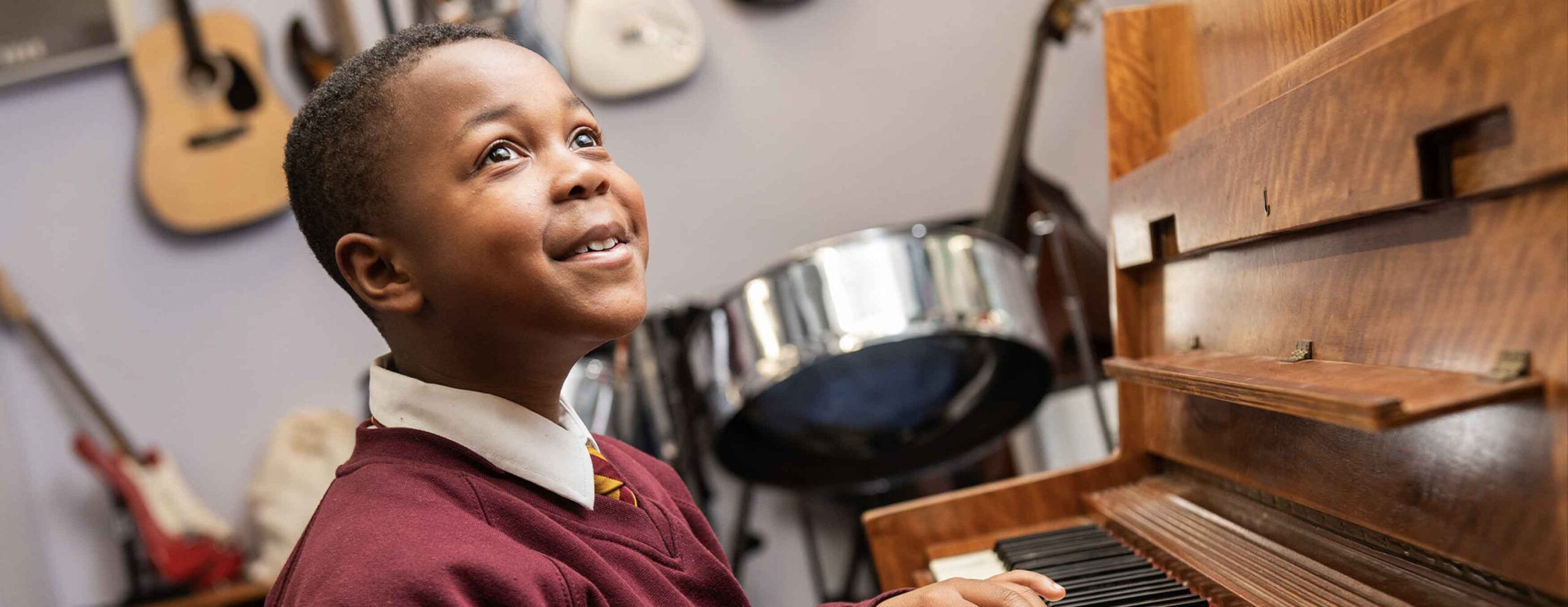
Faces, and eye contact. A child mid-laugh, looking at the camera, will stop a parent scrolling. Nothing else comes close. It is the single most reliable thing in school marketing.
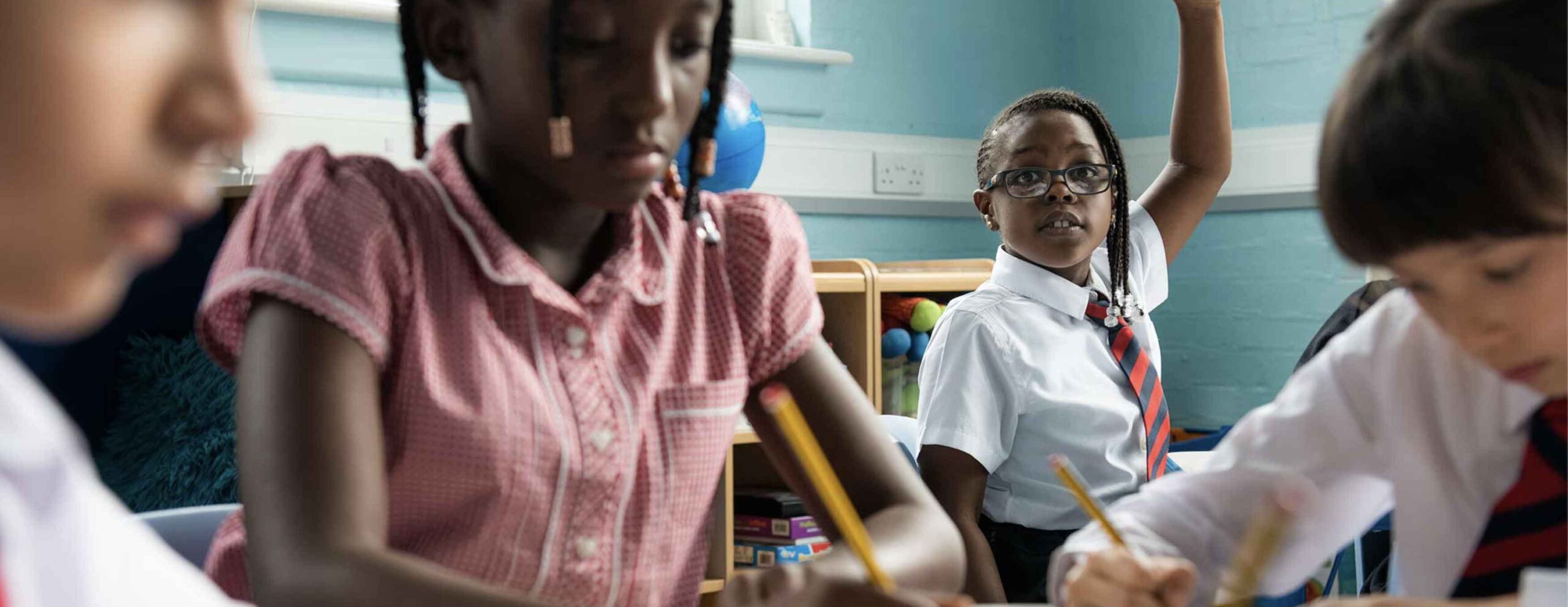
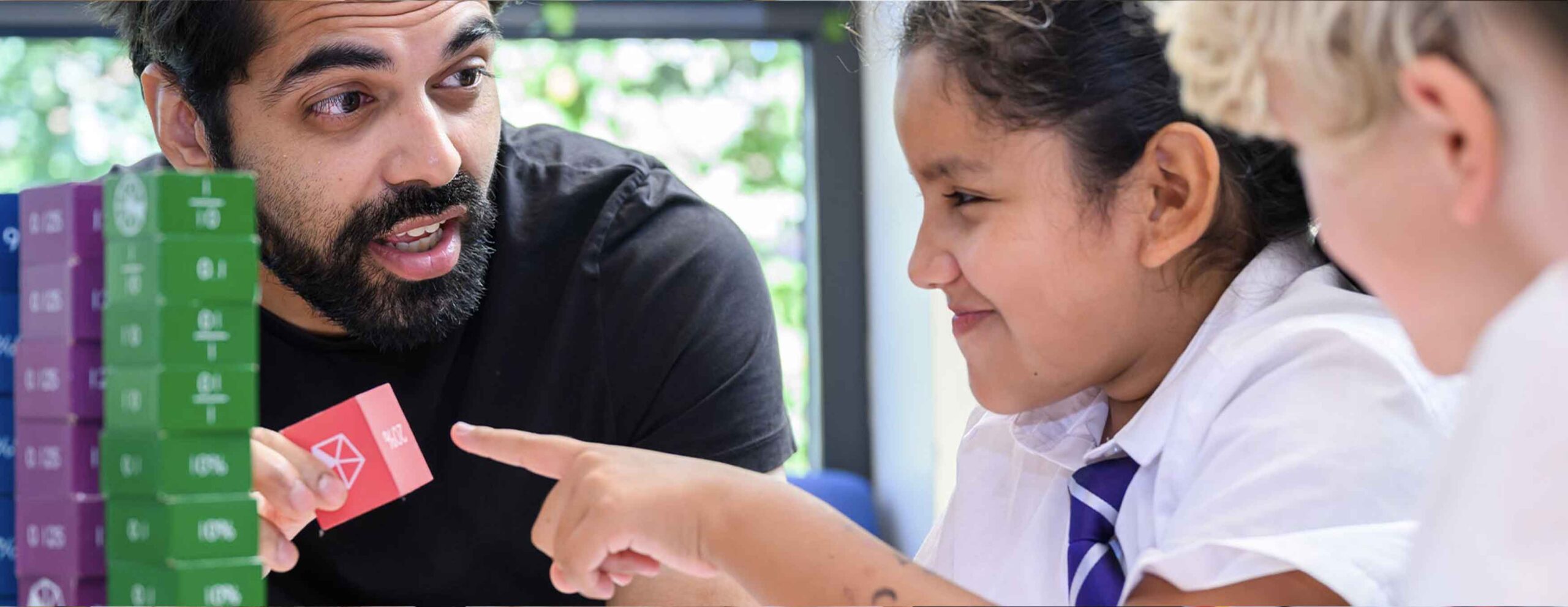
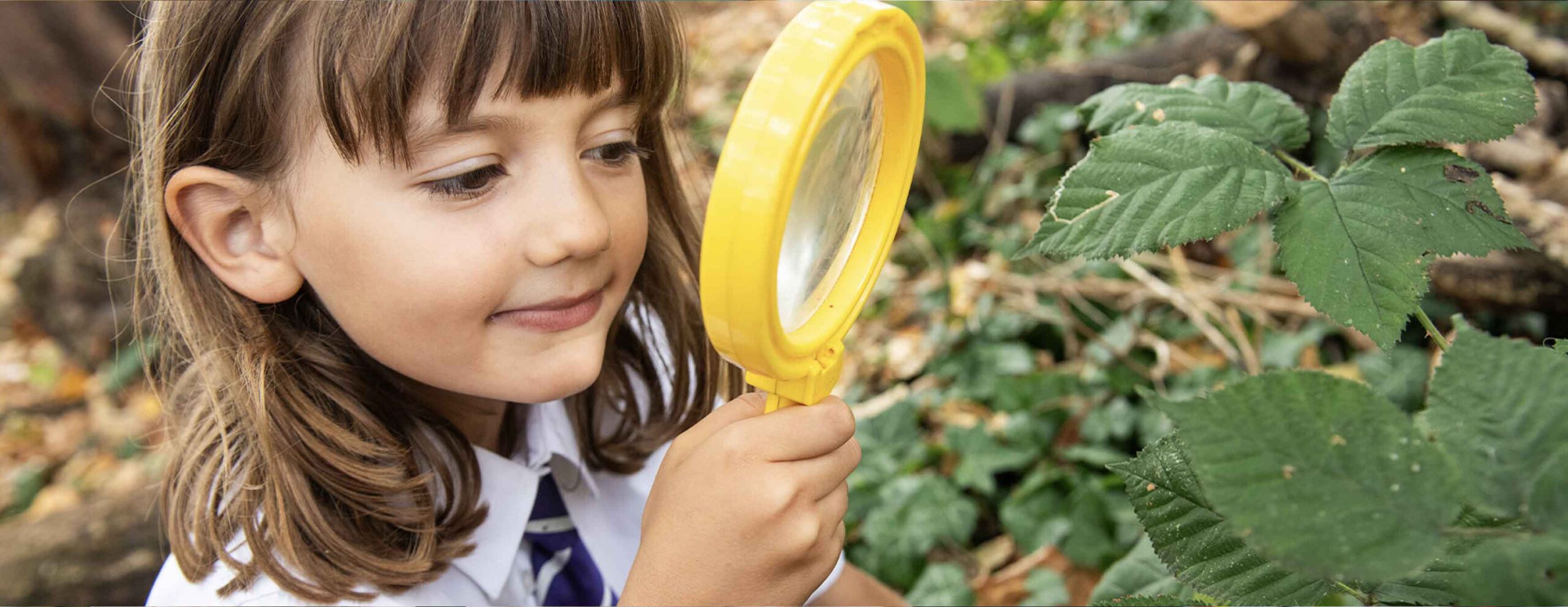
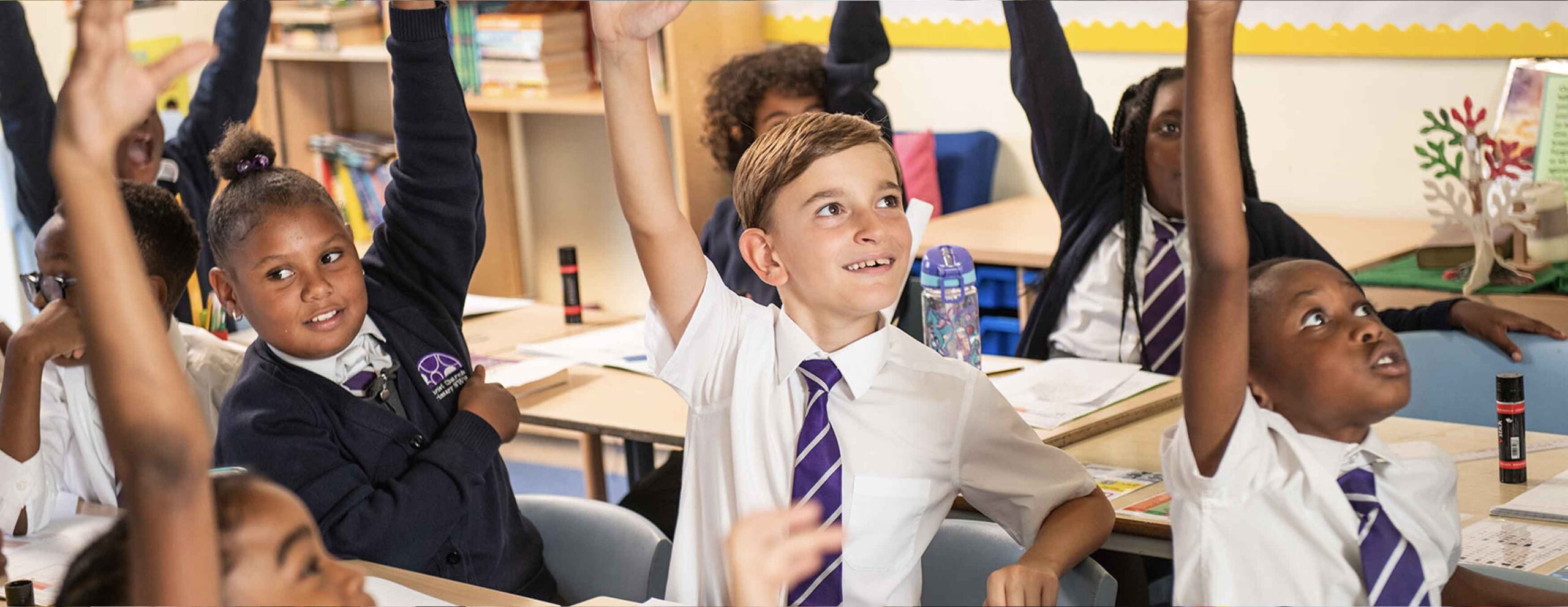
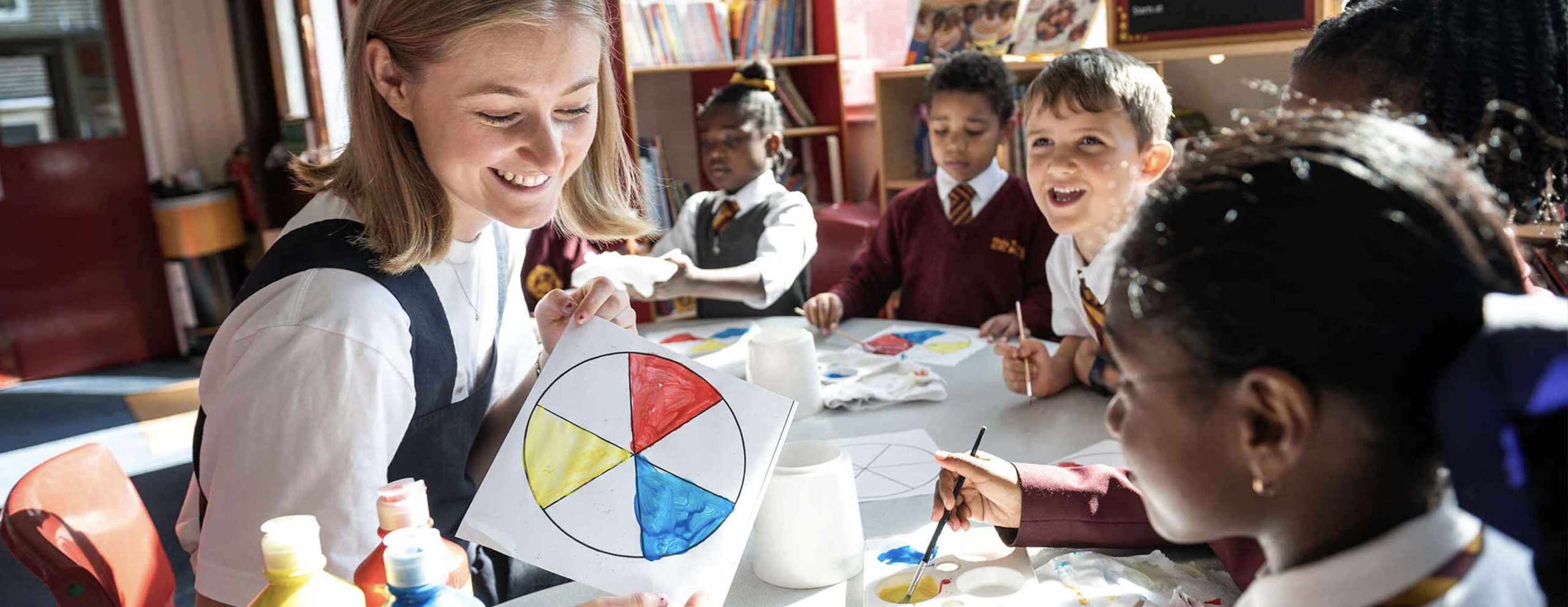
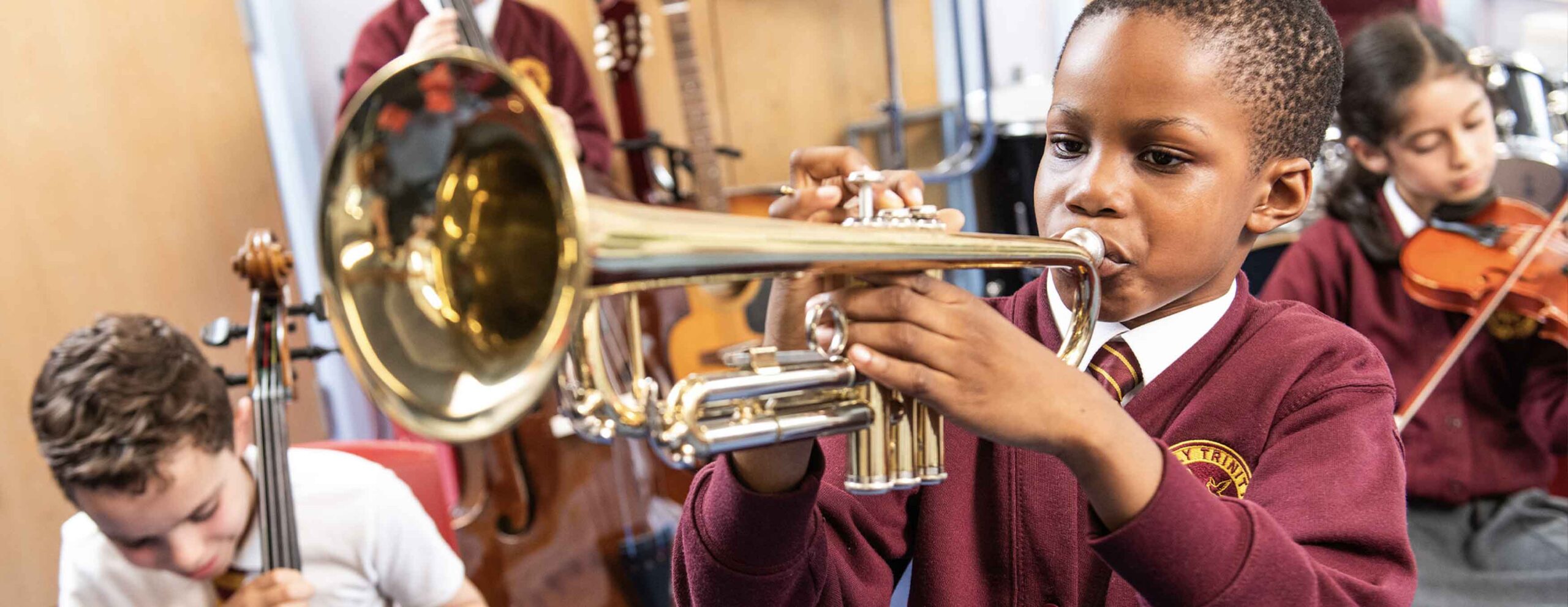
Children doing ordinary things. Reading together, working something out, running about at break. Not lined up. Not posed. Not everyone in their best jumper.
A range of children. Different ages, different backgrounds, different sorts of child. A parent is looking for their own child in your photographs, and if every picture is of confident children performing, the parent of a quiet one doesn't see them.
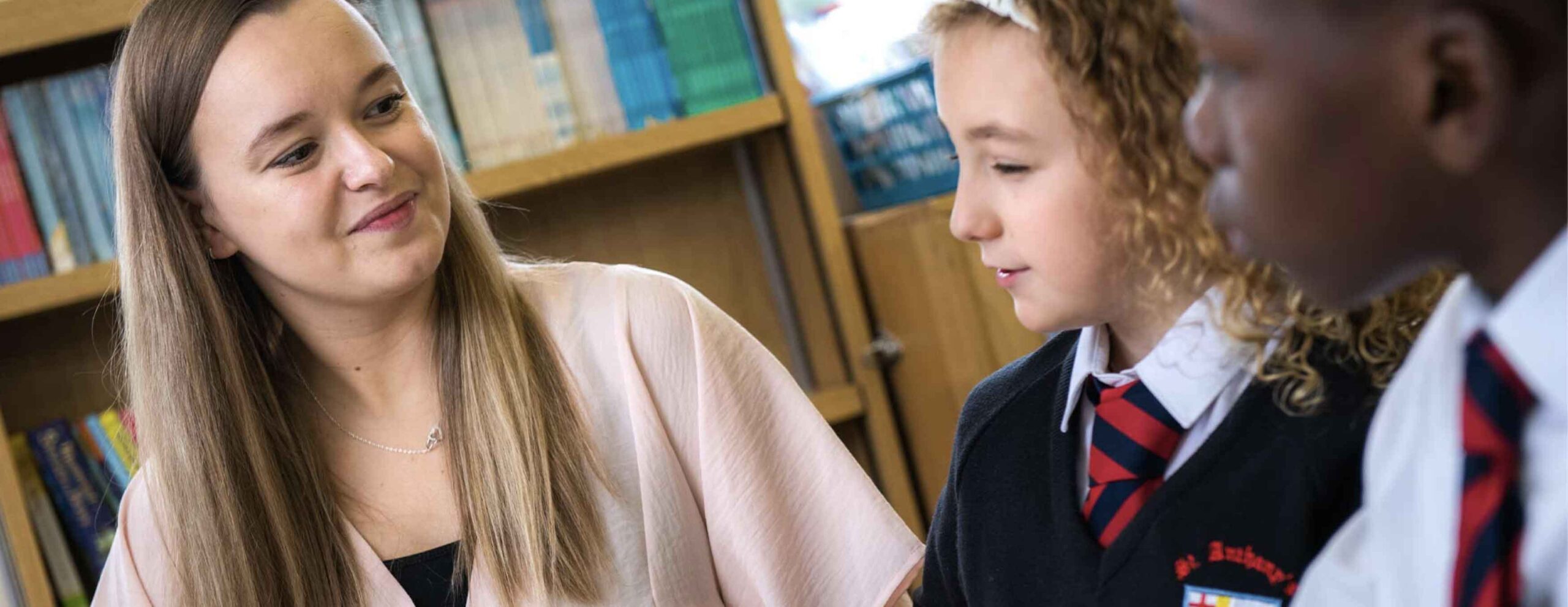
Adults being warm with children. This is the shot that answers the question a Reception parent is really asking. It's also the hardest to fake, which is why it convinces.
The building, but sparingly. You need some. Nobody chose a school because of a photograph of its car park.
The photographs that don't
Stock photography. Parents can tell, and it costs you more than it saves. A stock image says either that you couldn't be bothered or that you had nothing of your own worth showing.
Empty corridors and exterior shots. A school with nobody in it looks like a school nobody goes to.
The back of everyone's heads. Understandable, given consent, but a website full of children photographed from behind reads as a school that's hiding something. The answer is to work from your consent list and photograph the children you can, properly — not to photograph everyone badly.
Anything years old. More on that below.
Consent, and the bit most schools get wrong
This is where we can be genuinely useful, and it's not what most schools expect.
We're not lawyers (well one us is!), but this isn't legal advice. Your data protection officer is the person to settle it with. But it's worth knowing what the Information Commissioner's Office actually says, because it isn't what most schools assume.
Consent isn't automatically the right basis
Nearly every school runs a photo consent form and treats that as the whole job.
The ICO's position is more nuanced. Consent is one possible lawful basis, and — their words — "it will not be appropriate to rely on consent in all circumstances and another lawful basis could instead be relevant." What they ask is that the school says which lawful basis it's relying on, at the outset, so families know what to expect.
That matters practically, because consent that can be withdrawn at any moment is a fragile thing to build a prospectus on. It's worth having the conversation with your DPO about what basis you're actually using, rather than assuming.
Whatever the basis, offer an opt-out
The ICO recommends this regardless of which lawful basis you rely on. It's also just decent practice, and it costs you very little — there are always more children than you need.
Make it granular, not all-or-nothing
The ICO's steer is that families should get choices rather than a single yes-or-no. In practice that means separating things out: the website, social media, paid advertising, the local paper, the prospectus. A parent perfectly happy with a photograph in a newsletter may feel differently about a Facebook advert.
It's more admin, but it produces a permission list you can actually rely on.
Older children have a say
Data protection law doesn't set an age at which a child can exercise their own rights, but the ICO gives around 12 as a working guideline, to be judged on a case-by-case basis. For a primary, that mostly means Year 6 — and it's worth asking them rather than assuming.
And check the current position, because it's moving
The ICO's schools guidance is currently under review following the Data (Use and Access) Act. Work from the ICO's own page and your DPO rather than from anything, including this, written a few months ago.
On the day, it's simpler than it sounds
None of this makes a shoot difficult. In practice, the school gives the photographer the list, somebody who knows the children is with them all day, and children without permission simply aren't photographed. It's a five-minute conversation at the start and then nobody thinks about it again.




Two questions to ask any school photographer
Both of these get missed at the point of booking and matter for years afterwards.
1. Who owns the photographs?
Not every arrangement hands them over. Some school photography contracts keep the copyright and licence images back to the school — which means the pictures of your own children are somebody else's asset, and using them somewhere new means asking permission or paying again.
Ask the question before the shoot, and get the answer in writing. What you want is the full rights to use your own images, anywhere, for as long as you like.
For what it's worth: we give schools all rights in everything we shoot for them. It's their school and their children. Anything else seems odd to us.
2. How long do they keep your images, and will they delete them?
Your photographer is holding photographs of your pupils. That makes it a data question, and it's one your DPO would rather you'd asked at the start.
The answer you want is a defined retention period — a number of years, written down — rather than "we keep everything". If a supplier can't tell you how long they hold your images or what happens if you ask them to delete, that's worth knowing before they turn up.
Ours is four years. Long enough that a school can come back for something it's mislaid, short enough that it isn't an indefinite archive of other people's children.
What happens when children leave
Here's a question schools rarely ask themselves. That lovely photograph on your homepage — is the child in it still at the school?
Two reasons it matters.
The practical one. A website full of children who left in 2022 is a website that quietly says nothing has happened here for years. Uniforms change. Buildings change. A parent who recognises a teenager on your Reception page has learned something.
And the data one. When a family leaves your school, what happens to the permission they gave you? That's a question for your DPO and a retention policy, and it's easier to answer if you know how old your images are and when you last refreshed them.
How often to reshoot
Every two to three years covers most schools, some do it yearly to keep the website fresh, but if that's too much have smaller top-up shoot in between if something changes — new staff, a new building, a new uniform, a new nursery.
Shoot when the school looks like itself. Not the week you need the images. Autumn and early summer both work; the middle of a wet February usually does not.
And keep a running list of shots you know you're missing. Every school has three photographs it wishes it had and never remembers to take.
The outside of the building, and drones
Aerial photography does one job very well: it shows a parent where the school sits — the grounds, the field, the proximity to the park, how much outdoor space there is. For a school with a good site, it's the fastest way to communicate it.
Two practical things.
It needs a properly qualified and insured operator. UK drone rules are specific about flying near and over people and built-up areas, and a school is both. Ask to see the operator's CAA permissions and their insurance — a professional will produce both without being asked twice.
Expect it to be flown when the site is clear. Before school, after school, or in the holidays. That's normal, and it's the right answer.
We rarely do drone photography on its own because if we're going to fly a drone we may as well shoot video as well and incorporate it in your school video. It's also worth noting that we can also create a 3D virtual tour of your school so that you can showcase the inside as well as the outside of your school on your website.
Who we work with
We work with several photographers, most often Rafael Bastos. His school photography began in 2011 when he was asked to photograph St Andrew's in Lambeth — which, as it happens, is the school in our published case study. He's been photographing schools ever since, in the UK and South America, and his background is in photojournalism, which is exactly the right training for this: the job is to catch something real, not to arrange it.
We also shoot drone and video, often on the same visit, because it's cheaper and less disruptive than doing it twice.
Where this sits
Photography is the raw material for the visibility stage of the Fill Your Class Funnel — the posters, the advertising, the website. It's the one investment that makes everything else look like it was done on purpose.
More about how we run a shoot, or if you're not sure whether photography is what's holding you back, the Marketing Health Check will tell you.
Frequently asked questions
Can a school use photographs of children on its website?
Yes, provided it has a valid lawful basis under data protection law and families have been told how the images will be used. The ICO is clear that consent is only one possible basis and won't always be the right one, and recommends offering an opt-out whatever basis you rely on. Check the current ICO guidance and your DPO — the schools guidance is under review following the Data (Use and Access) Act.
Do schools need parental consent to photograph children?
Not necessarily consent as such — but you do need a lawful basis, and you must tell families what the images will be used for. Many schools use a blanket consent form; the ICO's steer is to be granular, giving parents separate choices for the website, social media, advertising and press.
Who owns photographs taken of a school?
It depends entirely on the arrangement, and it's worth settling in writing before the shoot. Some school photography contracts retain copyright and licence the images back. What a school wants is full rights to use its own images anywhere, indefinitely. We hand over all rights in everything we shoot.
How long should a photographer keep a school's images?
There should be a defined retention period rather than an open-ended archive, and the school should be able to ask for deletion. Ours is four years — long enough to be useful, short enough not to be an indefinite store of other people's children.
At what age can a child decide about their own photograph?
Data protection law doesn't set an age, but the ICO gives around 12 as a working guideline, judged case by case. For a primary school that's mainly Year 6.
How often should a school update its photography?
Every two to three years, with a smaller top-up shoot if something changes. Images age faster than schools expect — uniforms change, buildings change, and children leave.
What makes a good school marketing photograph?
A child mid-laugh, face visible, looking at the camera. Children doing ordinary things rather than posed. A range of different children. And adults being warm with children, which is the shot that answers what a Reception parent is actually asking.
Can you fly a drone over a school?
With the right CAA permissions, appropriate insurance and sensible planning — usually when the site is clear of people. Ask any operator to show you both before they turn up.
Ian Clifford is the co-founder of School Marketing Works and has been running admissions campaigns for UK schools since 2018, including the one documented in our published falling school roll case study.