
School Marketing and Admissions Advice
Everything we know about filling a primary school, written down. No sign-up, no gate, no sales call.
We've been running admissions campaigns for primary schools since 2019 — posters, advertising, open events, websites, photography and film. This is the whole working method, written out.
There is nothing to buy here and nothing to sign up for. If you read all of it and do it yourself, that's a good outcome and we'd rather you did that than nothing. If you'd rather we did it, that's what we're for.
Most schools don't need all of this. They need the two or three things they aren't doing. If you're not sure which two or three, start with the Health Check.
Why your roll is falling, and what it costs
Primary rolls in England are falling, and for most schools the cause is arithmetic rather than anything the school has done. Fewer children are being born, and where families have several schools within walking distance the shortfall lands unevenly — one school takes it while the one down the road doesn't. This section covers what an empty place actually costs over seven years, what we've learned running these campaigns since 2019, what parents tell us decided it, and the honest answer to whether any of this is worth the effort. Start here if you want to understand the problem before you spend anything on fixing it.

Filling school classes: what we've learned since 2019
Seven years of admissions campaigns, and the things that turned out to matter more than we expected.

What an empty Reception place costs
£5,115 a year, and it doesn't stop when the year does. The arithmetic most governing bodies haven't done.
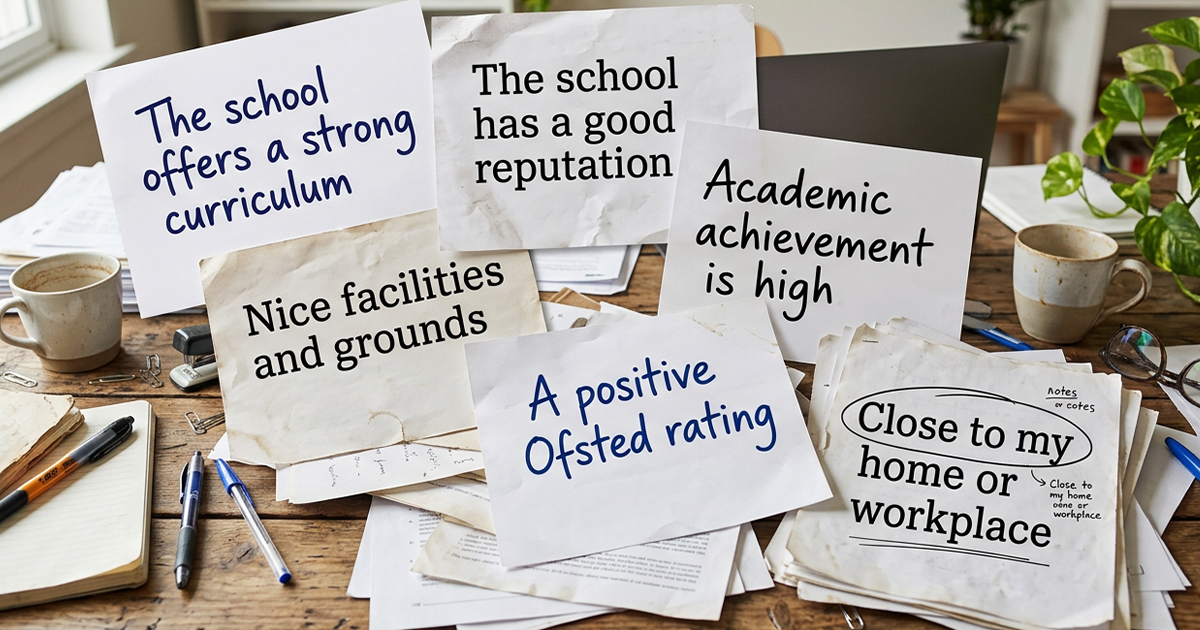
What parents actually choose your school for
282 parents were asked. Ofsted came seventh, and the two that came top can't be read off any document.

Is school marketing actually worth it?
We know we're asking you to do a lot on top of everything else. Here's what happens if you don't.
The research behind all of this
We looked at occupancy at every state primary in England against how many rival schools sit within two kilometres. It shows two completely different problems producing the same symptom — and which parts of the country have the most empty desks.
Getting noticed by local families
Most parents choosing a primary school have never heard anything about yours beyond its name and whatever a neighbour said at a toddler group. Being noticed is a different problem from being chosen, and for a Reception intake it happens inside a narrow window each autumn. This section covers the four things that put a school in front of local families who weren't looking for it — posters and where they actually get seen, Facebook advertising and why the Boost button wastes most of a budget, digital billboards, and radio. Each one is costed honestly, including the ones we think most schools shouldn't buy.
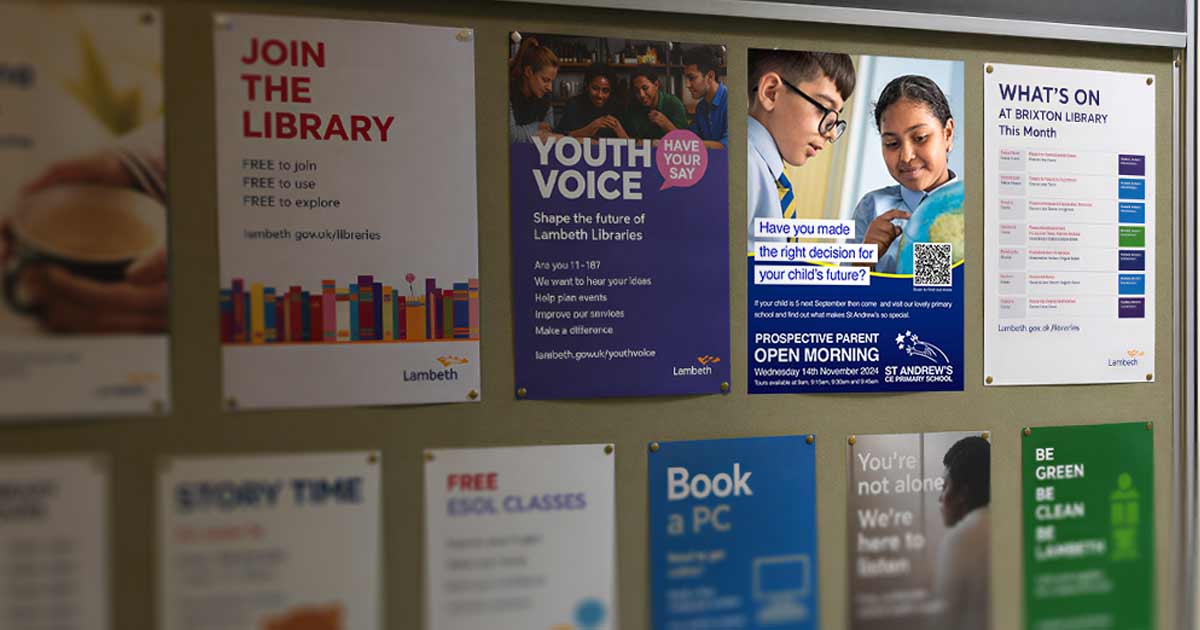
The school open day poster
Where it goes, what belongs on it, and why fifty words is the ceiling.
Facebook advertising for school open days
Why the Boost button spends your money badly, and what to run instead.
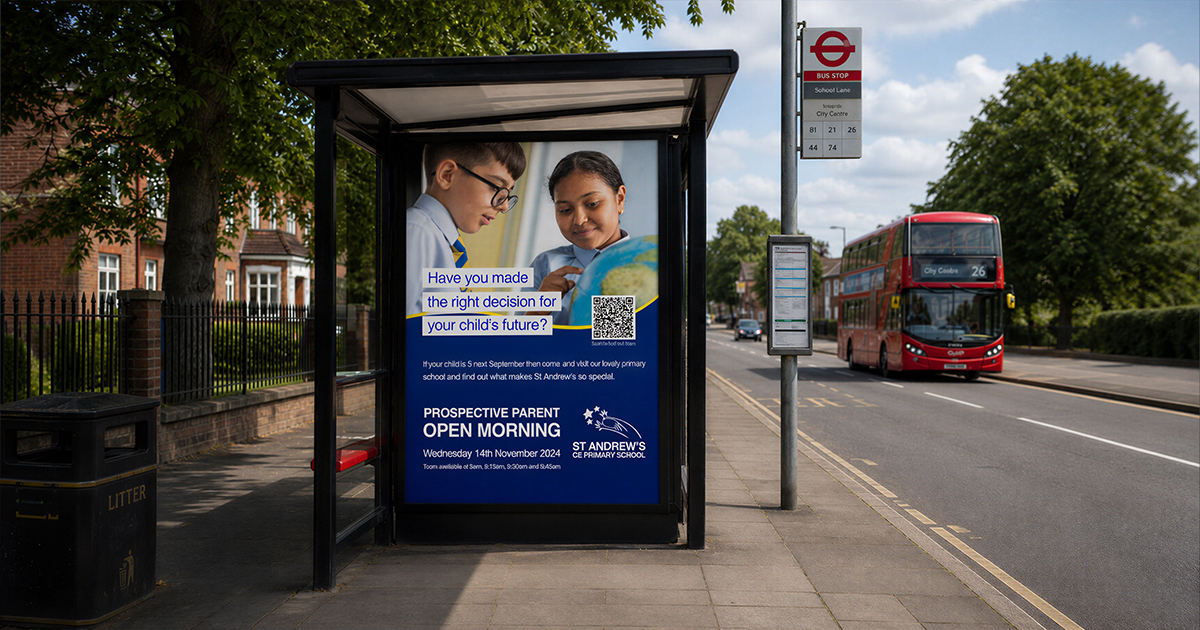
Digital billboards for schools
What they cost, where they work, and the one week in the year they're worth buying.
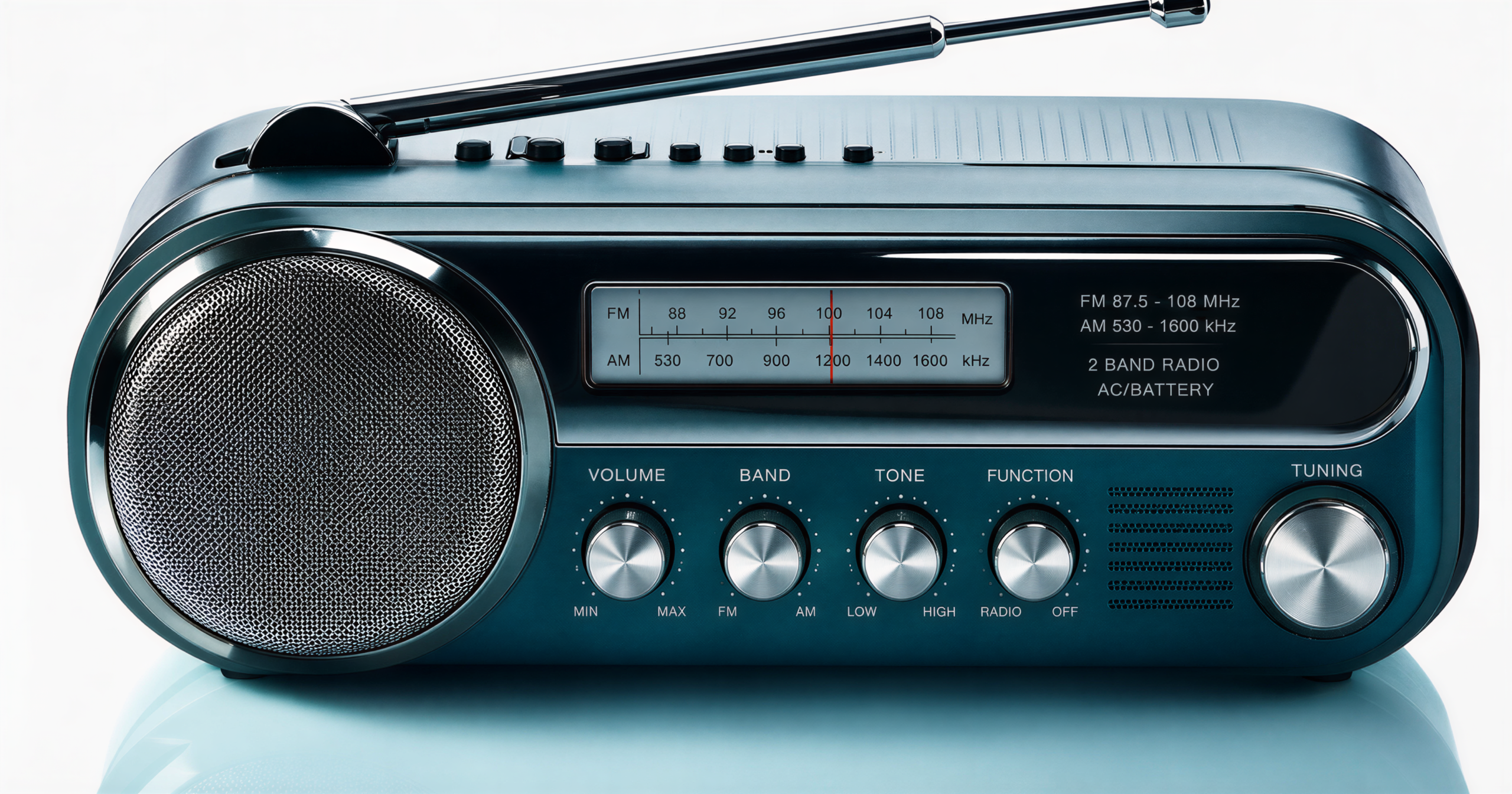
Radio advertising for schools
Broadcast or streamed, what a campaign really costs, and whether a primary should buy either.
Getting families through your door
A parent who comes and looks round is far more likely to apply than one who never does, which makes the visit the most valuable thing in the whole process — and the part most schools leave to whoever happens to be free. This section is about getting families in and making the visit worth their afternoon: whether to run tours or open events and what each one is actually for, how to run an open event that doesn't waste an evening, how to reach families a year or two before they apply, and how to make booking a visit take ten seconds instead of two days.
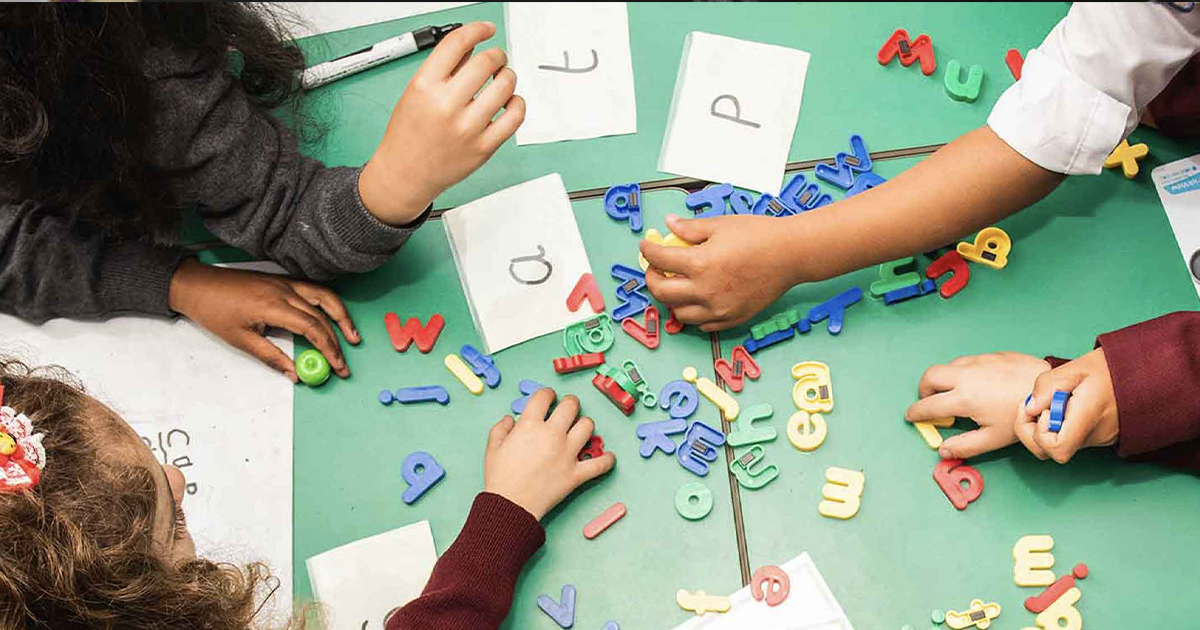
School tours or open days?
Two different events doing two different jobs. Most schools run one and assume it covers both.

How to run a school open event
Timing, children, current parents, and the details that decide whether families come back.
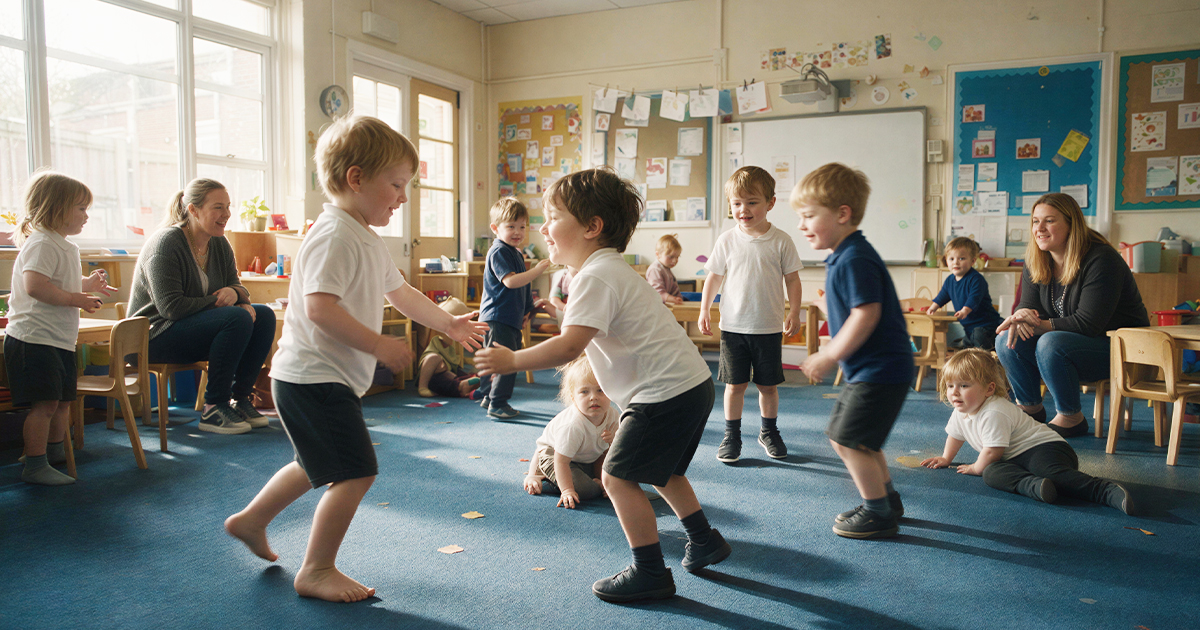
Pre-Reception events
Everything else reaches parents in the same twelve weeks. This reaches them two years earlier.
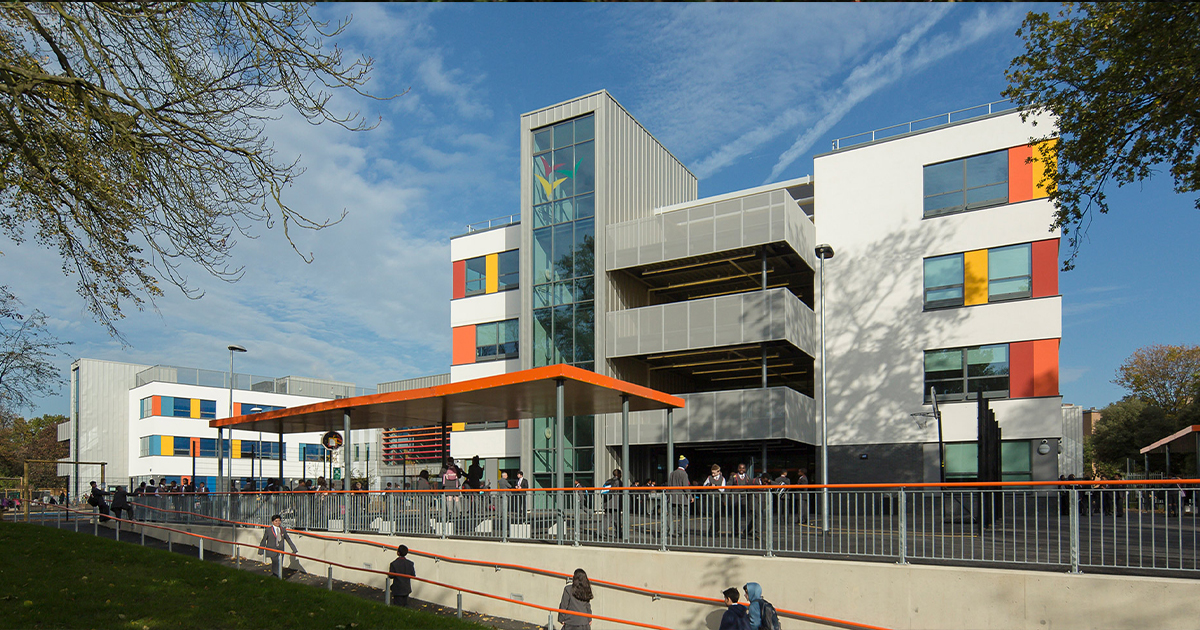
The school visit booking system
The one moment a parent raises their hand — and most schools answer it with "ring the office".
What families find when they check you out
Every family who hears about your school does the same thing next. They type its name into a phone, usually in the evening, usually with somebody else in the room. What they find over the following two minutes decides whether they ever book a visit. This section covers what a prospective parent is looking for on a school website and why most school sites only serve the families they already have, the photography and film that show them what the place is actually like, virtual tours for the families who can't come in person, where your reviews live now that Google has deleted them, and how a busy school keeps its social media going without it landing on one exhausted person.
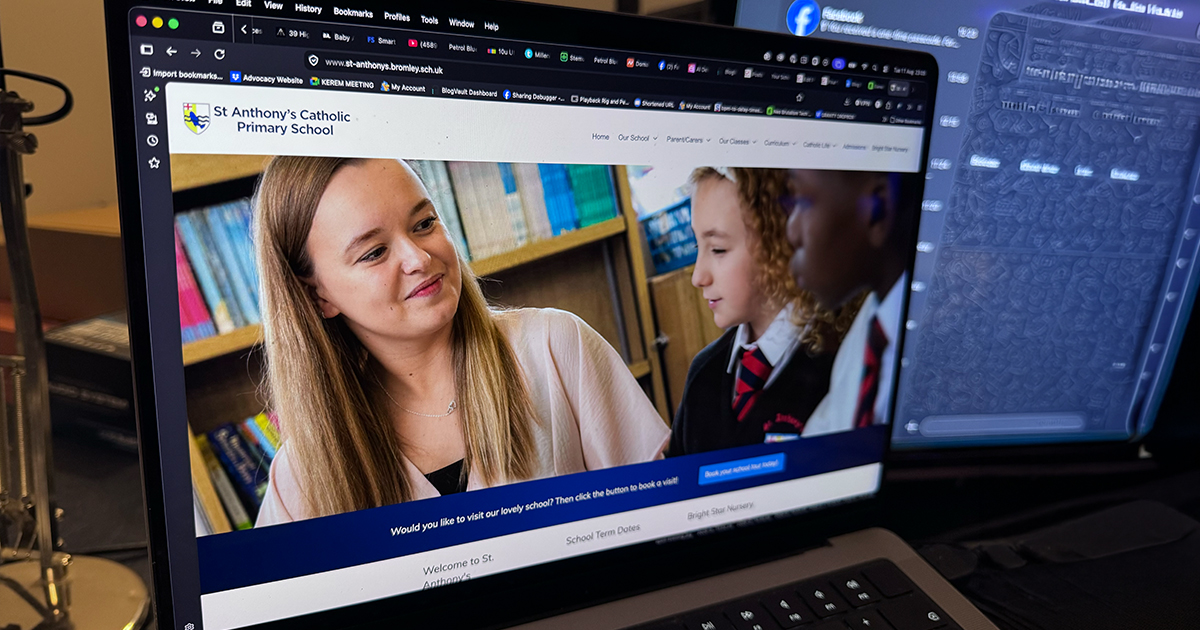
What parents look for on a school website
Your site has two audiences who want nothing in common. Most schools only serve one of them.
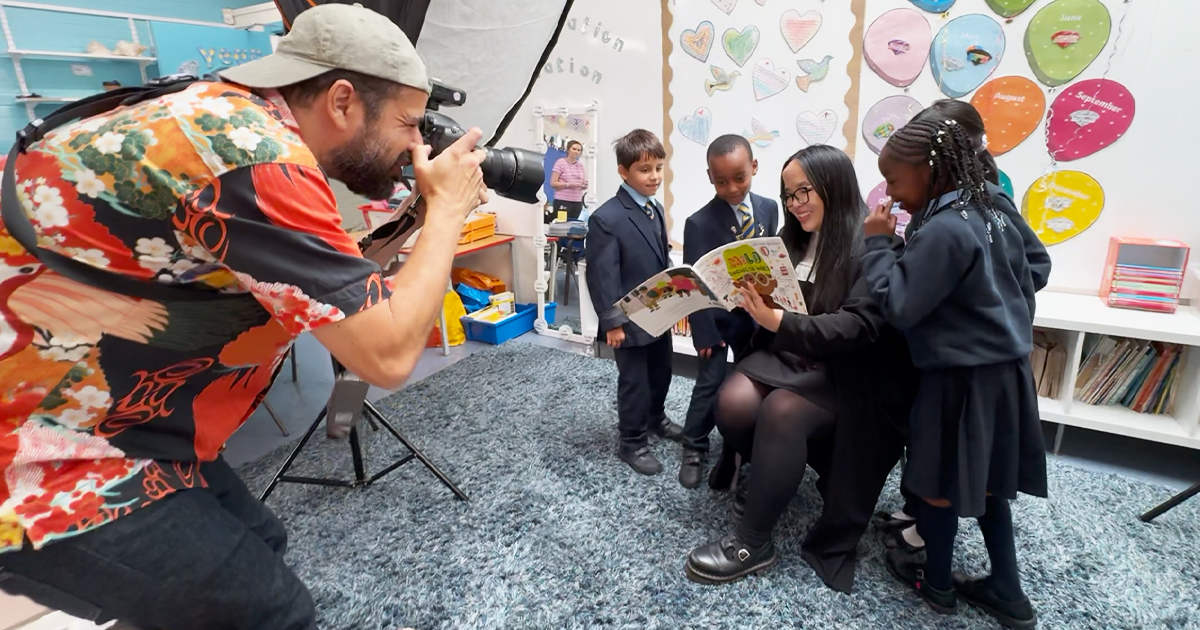
School photography that fills classes
The pictures a prospective parent actually studies, and why yours are probably of the wrong thing.
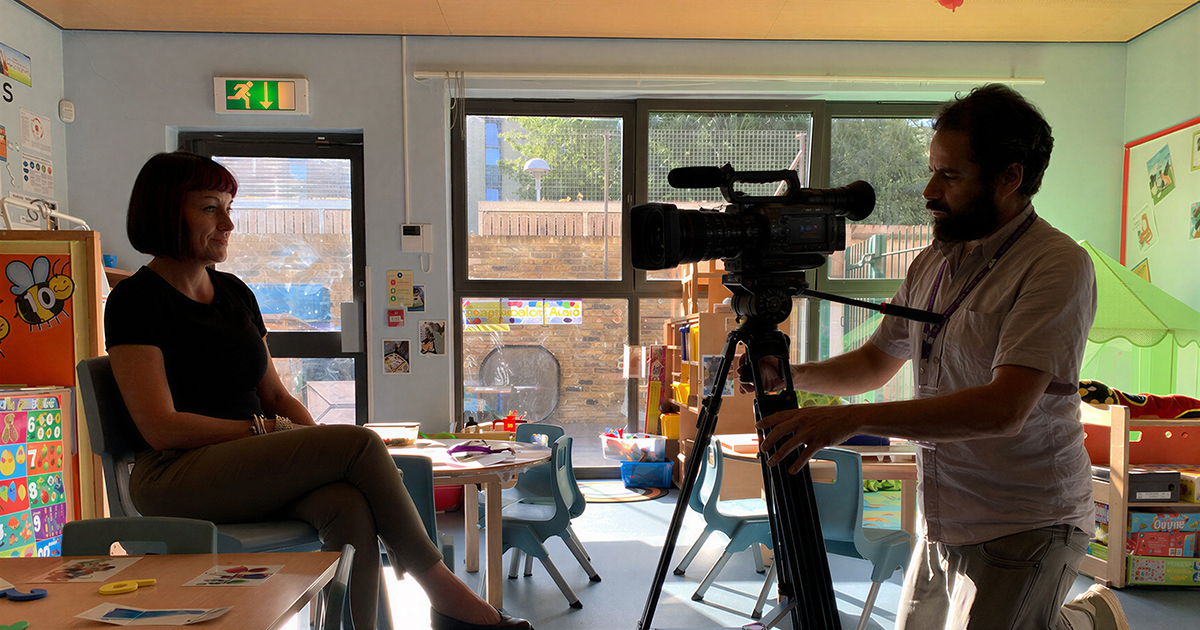
Does your school need a video?
What a film costs, how long it should be, and who ought to be doing the talking.
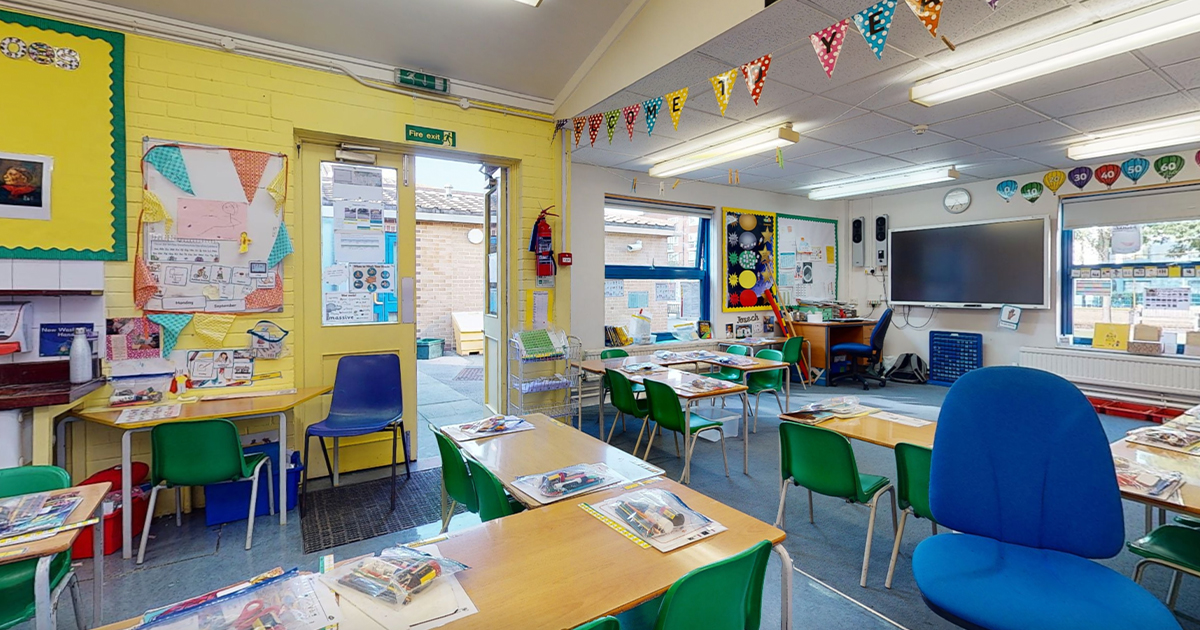
The families who won't come to your open morning
Relocating parents, in-year arrivals, and the child who needs to walk the building ten times first.
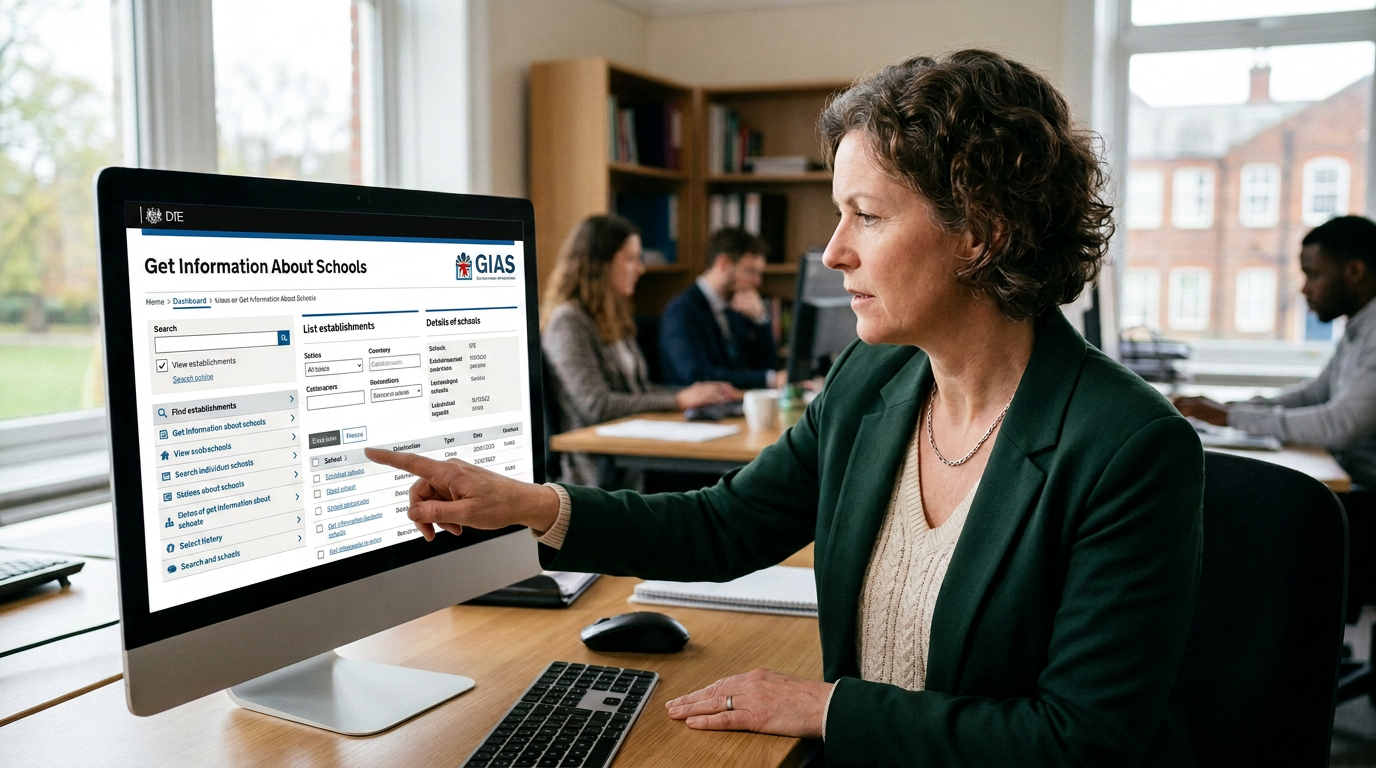
Managing your online reputation
Google deleted every school's reviews in April 2025. Here's what a parent finds when they search you now, and where feedback actually lives.
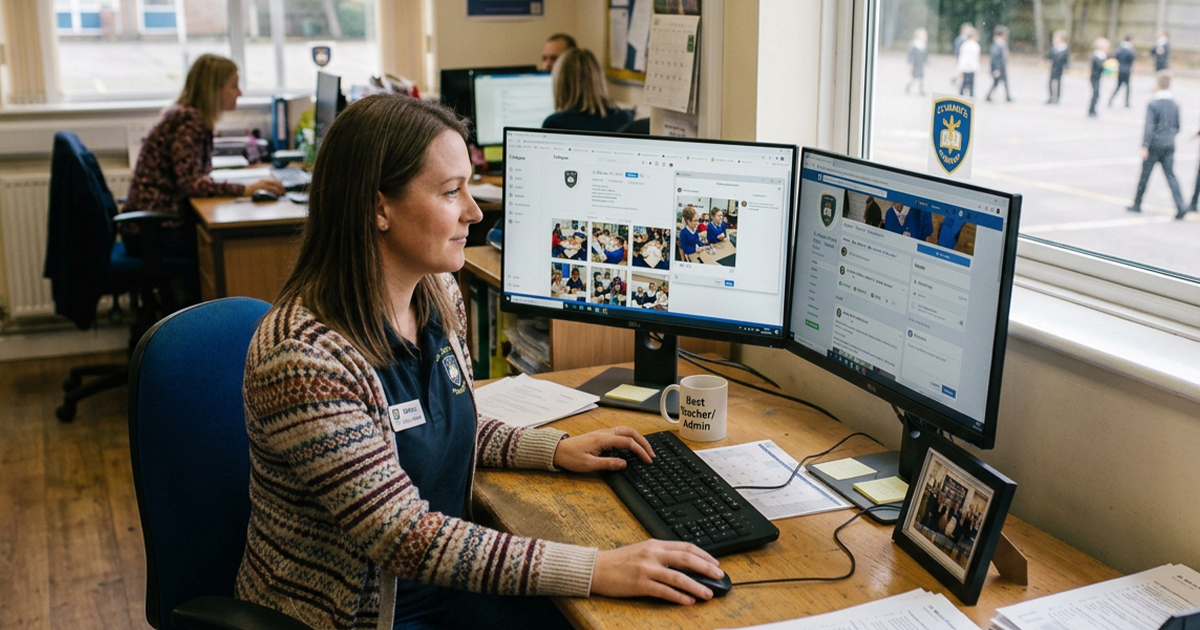
Social media that builds a local reputation
Consent and faces, what to post, an hour a week — and how a school can legally pay somebody to do it.
Not sure where to start?
Most schools arrive here knowing something isn't working, but not which part. The Health Check takes fifteen minutes and tells you where the gaps are. If you'd rather just talk it through with somebody, that's free as well.